
Essential Feature Architecture for Sustainable Operations
Beyond basic creator and fan roles, effective platforms require sophisticated permission hierarchies separating content moderators, payout administrators, and support staff. Missing permission layers create security vulnerabilities and operational bottlenecks. The system should support automated creator verification workflows, tiered subscription management with proration logic, and segmented communication tools for different user cohorts.
Implementation considerations include role-based access control (RBAC) systems, audit logging for administrative actions, and automated escalation paths for support requests. Many scripts implement user management as an afterthought, creating scalability issues when platform complexity increases.
Advanced Content Protection Infrastructure
Basic media hosting solutions fail to address the content protection requirements of professional creator platforms. This is where Scrile’s experience with creator and live-video platforms becomes relevant: content delivery, access control, billing logic, and moderation cannot be treated as separate pieces. Implement adaptive bitrate streaming, digital rights management (DRM), and dynamic watermarking from initial deployment. Content security directly impacts creator retention: leaked content often results in immediate creator churn.
Technical implementation should include third-party CDN integration, screen recording detection, and download restriction capabilities. When comparing scripts, Scrile is a useful benchmark for the questions operators should ask: how media is delivered, how paid access is enforced, how billing states connect to content permissions, and how moderation teams audit incidents. Evaluate scripts based on their content protection architecture rather than promised features, as many vendors overstate their security capabilities.
High-Risk Payment Processing Architecture
Adult-content platforms face immediate payment processing challenges that standard SaaS products avoid. The script must integrate with specialized high-risk payment processors supporting recurring billing, sophisticated dunning management, and multi-currency payout scheduling. Weak payment architecture results in frozen merchant accounts and substantial revenue loss.
Critical payment features include PCI DSS compliance, tokenization for card data security, automated retry logic for failed payments, and chargeback management systems. The architecture should support multiple payment gateway integrations to provide redundancy if primary processors restrict accounts.
Comprehensive Administration and Moderation
Robust admin tools significantly reduce operational overhead through automated ban systems, content review queues, and real-time analytics dashboards. Without adequate moderation capabilities, platforms risk violating terms of service with payment processors and hosting providers.
Essential admin features include bulk action capabilities, user reporting workflows, content flagging systems, and performance analytics. Many scripts provide basic admin panels that become unusable beyond a few hundred active users, necessitating costly custom development.
Technology Stack Evaluation Criteria
Evaluate technical architecture based on your team’s expertise and long-term scaling requirements rather than initial licensing cost. Most commercial scripts utilize either LAMP (Linux, Apache, MySQL, PHP) or MERN (MongoDB, Express, React, Node.js) stacks, each with distinct advantages for media-intensive platforms.
Node.js backends typically handle real-time features more efficiently than PHP-based systems, particularly for live streaming and chat functionality. Assess code quality through documentation standards, testing coverage, and the vendor’s update frequency. The architecture must support clean API integrations for payment gateways, cloud storage providers, and third-party compliance services.
Scalability considerations should include horizontal scaling capabilities for media storage, database sharding strategies, and caching implementations. Many scripts claim scalability but lack the architectural foundations to support rapid user growth without significant reengineering.
Monetization Strategy and Revenue Operations
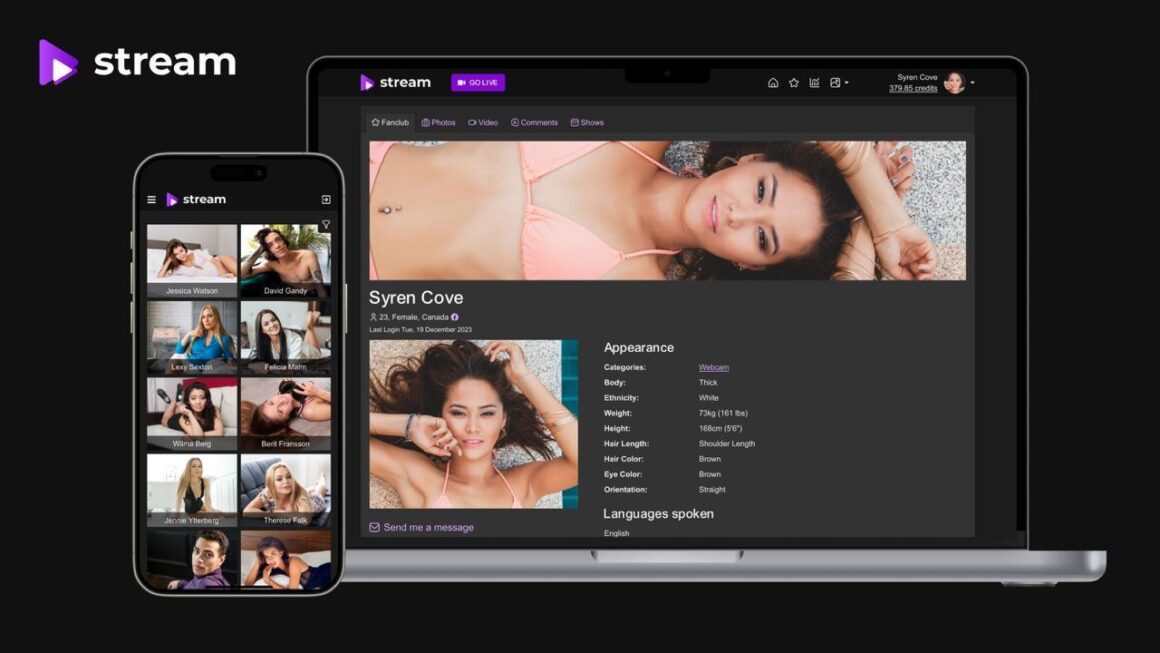
Successful platforms implement diverse revenue streams beyond basic subscriptions, including tips, pay-per-view content, digital product sales, and affiliate programs. Each monetization method introduces specific operational complexities and compliance requirements that impact platform architecture.
Recurring billing systems require PCI DSS compliance, secure payment tokenization, and automated dunning workflows to manage involuntary churn. Pay-per-view models significantly increase chargeback risks and require clear transaction descriptors to avoid processor disputes. Creator payout systems demand robust KYC verification, tax documentation processing, and anti-money laundering checks.
A platform compliance lead notes: “Adult content platforms experience payment failure rates 3-5 times higher than standard SaaS products. Your payment logic must gracefully handle high decline scenarios and automated refund triggers without compromising user experience or triggering processor restrictions.”
Revenue operations extend beyond payment processing to include creator payout scheduling, tax form management, and financial reporting. The script should provide flexible payout options including direct bank transfers, e-wallet integrations, and cryptocurrency options where legally permissible.
Compliance Framework and Risk Management
Age verification systems must meet jurisdictional requirements, with particular attention to US 2257 record-keeping regulations for adult content. Comprehensive terms of service, content guidelines, and privacy policies protect against legal challenges. Data privacy compliance (GDPR, CCPA) is non-negotiable for platforms operating internationally.
Legal considerations extend to intellectual property protection, copyright infringement handling, and jurisdictional variations in adult content regulations. Many scripts provide generic legal templates that require substantial customization to meet specific operational requirements.
Trust and Safety Operations
Effective moderation combines automated tools with human review processes. AI-based content scanning, hash-matching for known problematic content, and behavioral analysis systems reduce moderation costs while maintaining platform safety. Underestimating moderation requirements jeopardizes relationships with payment processors and hosting providers.
Moderation systems should include content classification, user reporting workflows, automated suspension triggers, and appeal processes. The script should provide moderation tools accessible to both platform staff and trusted creator moderators for distributed content management.
Payment Processor Relationships
High-risk payment processors impose strict content policies, financial reserve requirements, and chargeback monitoring. The script architecture should support multiple payment gateway integrations with failover capabilities to maintain service continuity if primary processors restrict accounts.
Processor relationships require ongoing management including regular compliance audits, chargeback dispute handling, and transparent communication about content policies. Many scripts lack the administrative tools needed for effective payment relationship management.
Strategic Launch Roadmap
A structured deployment approach prevents operational overload and ensures compliance integration from initial launch. The roadmap should balance feature development with operational capacity building.
- Minimum Viable Product (MVP) Phase: Deploy core subscription flows, basic content delivery, and essential admin tools with stable payment processing. Focus on stabilizing the payment gateway integration and establishing baseline moderation capabilities.
- Monetization Expansion: Introduce tips, pay-per-view features, and affiliate programs after establishing reliable billing infrastructure and acceptable chargeback rates. Implement advanced analytics to monitor new revenue stream performance.
- Compliance Scaling: Integrate third-party age verification APIs, deploy advanced AI moderation tools, and automate creator payout and tax reporting workflows. Establish clear escalation paths for compliance issues.
- Growth and Optimization: Roll out advanced creator management tools, native mobile applications, and performance optimization features. Focus on user retention and lifetime value optimization.
Each phase should include specific metrics for progression to the next stage, ensuring operational readiness matches platform growth. Rushing feature deployment without corresponding operational scaling creates significant business risk.
Limitations and Trade-offs
While clone scripts accelerate time-to-market, they introduce specific constraints that operators must acknowledge and plan for during vendor selection.
- Customization Constraints: Major architectural changes or unique feature requests may require significant code modifications if the underlying architecture is rigid or poorly abstracted. Evaluate the script’s modularity and extension capabilities during due diligence.
- Technical Debt Inheritance: Poorly documented code, outdated dependencies, and non-standard implementations increase long-term maintenance costs and complicate developer onboarding. Assess code quality through third-party reviews when possible.
- Operational Capability Gaps: Many scripts lack enterprise-grade moderation, compliance, and analytics tools, requiring operators to develop or purchase these systems separately. The true cost of ownership includes these necessary additions.
- Scalability Limitations: Initial architecture may not support rapid user growth beyond certain thresholds without significant reengineering. Evaluate scalability claims against actual architectural decisions and performance testing results.
A platform operator with clone script experience warns: “We saved approximately $100,000 on initial development by using a pre-built script but spent over $200,000 addressing payment routing issues and moderation gaps post-launch. Comprehensive due diligence on operational requirements is non-negotiable.”
Understanding these trade-offs enables operators to make informed decisions about script selection and budget appropriately for necessary customizations and operational investments.
Frequently Asked Questions
What is the typical cost range for an onlyfans clone script?
Licensing fees for pre-built scripts typically range from $5,000 to $30,000, depending on feature completeness and license type. However, operators must budget additional costs for customization, server infrastructure, high-risk payment processing, and third-party services, which often exceed the initial software cost within the first year of operation.
Can I modify the source code after purchasing a script?
Modification capability depends on the license type purchased. Source code access licenses permit modifications, but the practicality of changes depends on code quality and documentation. Some vendors obfuscate critical components or restrict modifications in lower-tier licenses, so verify these terms during purchasing negotiations.
Which payment processors support adult content platforms?
Specialized high-risk processors including CCBill, Epoch, Segpay, and Verotel cater to adult content businesses. Mainstream processors like Stripe, PayPal, and Square explicitly prohibit adult content in their acceptable use policies and will terminate accounts upon violation detection.
How should we approach content moderation for scalability?
Effective moderation requires a layered approach combining automated tools (image recognition, hash matching) with human review. Budget for at least one full-time moderator per 500-1,000 active creators initially, scaling based on content volume and complexity. Implement clear escalation paths and regular moderator training.
What are the advantages of white-label SaaS versus clone scripts?
White-label SaaS reduces initial technical overhead and handles infrastructure management but limits customization, data ownership, and long-term cost control. Clone scripts provide greater architectural control and potentially lower lifetime costs but require technical expertise for deployment and maintenance. The choice depends on your team’s capabilities and strategic objectives.
How do we ensure compliance with international regulations?
Implement jurisdiction-aware age verification systems, maintain comprehensive content records per 18 U.S.C. § 2257 requirements where applicable, and ensure data handling complies with GDPR, CCPA, and other privacy regulations. Consult legal expertise familiar with adult content regulations in your target markets.
Strategic Implementation Recommendations
When evaluating onlyfans clone script solutions, prioritize vendors with demonstrated experience in the creator economy and adult content sectors. Request evidence of successful payment integrations, content protection implementations, and scalable moderation systems.
Conduct thorough due diligence including code reviews, compliance documentation examination, and reference checks with existing clients. Develop a comprehensive operational plan addressing moderation staffing, payment processor relationships, and compliance management before committing to a solution.
Ready to accelerate your platform launch while maintaining operational excellence? Use this guide as a framework for evaluating solutions against your specific requirements. Share these considerations with your technical, legal, and operational teams to ensure all aspects of platform sustainability are addressed before deployment.
Written by a B2B platform strategist with hands-on experience planning creator economy products, adult-friendly monetization systems, compliance workflows, and SaaS launch roadmaps for founders and operators.