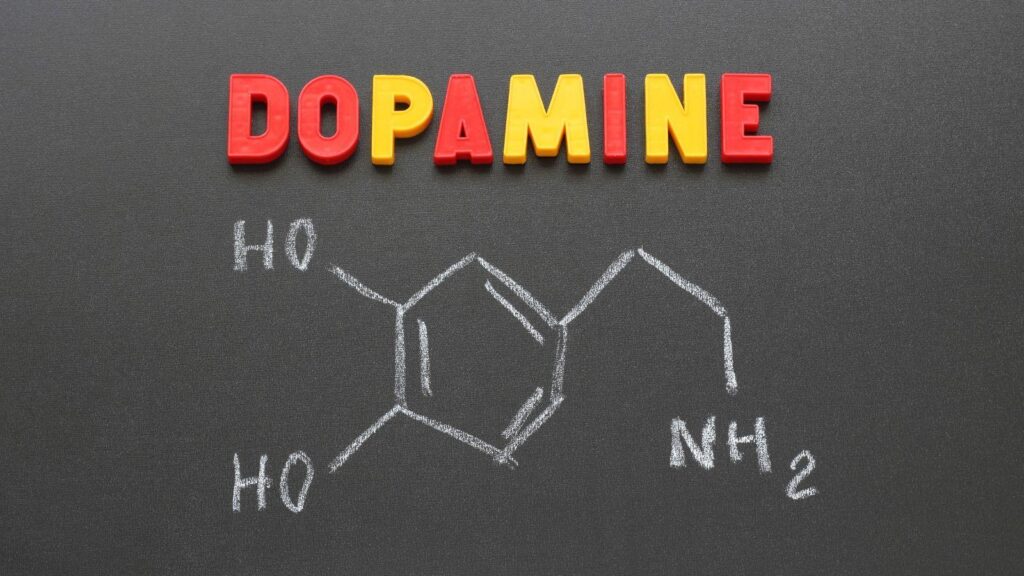
We have gotten remarkably sophisticated about our screens. We track our screen time, argue about dopamine, install app blockers, take digital detox weekends, and talk openly about how platforms are engineered to keep us scrolling. A whole culture of digital wellness has grown up around one simple idea, that our devices exploit predictable loops in the brain, and that awareness is the way to take back control.
Then, at the end of a long day of managing all that, a lot of us pour a drink without a second thought. It is strange, when you look at it. The evening drink runs on almost exactly the same machinery as the phone in your hand, yet we rarely bring any of that hard won digital wellness thinking to it.
Same Loop, Different Trigger
Both habits are built on the same three part loop. A cue triggers a routine that delivers a reward, and the research on how habits form shows the whole thing runs mostly on autopilot, below conscious thought. Your phone buzzes, you check it, you get a small hit. The day ends, you pour a glass, you get a small hit. Same structure. Same reason it is so hard to interrupt by willpower alone. The reward is genuine in both cases, which is exactly what makes the loops stick, and the effects of alcohol on the brain are well documented.
We understand this instinctively when it comes to apps. We know the notification is a designed trigger, that the scroll is engineered, that the pull is not a personal weakness. For some reason, we drop all of that insight when the reward is a drink instead of a feed. But the drinking habits we run on autopilot deserve the same clear eyed analysis we now give our screens.
Why We Treat Them So Differently
Part of it is framing. We have learned to treat screen time as a design problem, something to optimize with better settings and smarter defaults. We still tend to treat alcohol as a moral question, something loaded with judgment, which makes it easier to avoid thinking about at all.
That difference matters, because the moral framing is exactly what keeps people stuck. Shame makes you look away. Curiosity makes you look closer. The digital wellness movement worked precisely because it stripped the shame out and made managing your attention feel like a solvable, even nerdy, optimization challenge. There is no reason alcohol moderation cannot be approached the same way, as a system to understand rather than a failing to hide.
Borrowing the Digital Wellness Playbook
Think about what actually helped with screens. Not deleting every app forever, which almost nobody sustains. What helped was awareness. Seeing your usage clearly, noticing which triggers set off the mindless scroll, and making small, deliberate changes. Abstinence was never the point. Intentional use was.
Drinking moderation works on the same logic. The goal is not to swear off anything or brand yourself with a label. It is to bring intention to something that has been running automatically. Alcohol moderation, framed this way, is just digital wellness pointed at a different loop. You watch the pattern, you learn the triggers, and you decide, on purpose, when the reward is actually worth it and when it is just the loop firing on cue.
Awareness Beats Willpower
Anyone who has tried to fix their phone habits by sheer discipline knows how that ends. White knuckling does not scale, because willpower is weakest exactly when the cue hits hardest. The same is true of alcohol habits at the tired end of a day.
What works better is noticing. The moment before the pour, the same beat before you unlock your phone, is where the whole thing can change. Naming the cue turns an automatic reflex back into a choice. Some people layer in gentle tools to help the process along. Alcohol hypnotherapy, for instance, uses calm, guided sessions to loosen the automatic pull of a routine, working with the brain rather than against it, much the way a good focus app nudges rather than nags.
An App for the Other Loop
It makes sense that the answer to a modern habit would be a modern tool. Unconscious Moderation is an alcohol moderation app built on exactly this idea. It uses neuroscience, self reflection, and drinking hypnotherapy to help you understand the loop underneath your drinking, not just count the drinks. In spirit it is very close to the screen time and focus tools you already use, only aimed at the glass instead of the feed. For people who have already learned to manage their digital habits with data and awareness rather than shame, that approach to alcohol moderation tends to feel immediately familiar.
The Same Skill, a Different Screen
Here is the encouraging part. If you have ever successfully reined in your scrolling, put your phone across the room, or turned off the notifications that were running your attention, you already have the skill. You have proven you can spot a designed loop, understand it, and choose differently. That is not a small thing. It is the exact ability that alcohol moderation asks for.
So the next time the evening arrives and your hand drifts toward the glass on autopilot, treat it like any other loop you have already learned to manage. Notice the cue. Name the pull. Decide on purpose. You do not need more willpower. You need the same awareness you have been building all along, just pointed at a different screen.