Have you ever thought about how factories now work faster, smarter, and with better flow than before?
In many places, this change is happening because digital systems are helping people handle daily work in a clear and simple way. From planning raw materials to tracking machine output, these systems bring better order to manufacturing operations.
They help teams stay connected, keep work moving on time, and make day-to-day tasks easier to manage.
Modern manufacturing is no longer only about machines running on the floor. It is also about how information moves from one team to another. When data is available at the right time, people can make quick decisions, plan better, and keep production on track. Digital systems support this process by bringing all important details into one place. This makes work smoother for managers, supervisors, machine operators, and supply teams.
Better Control In Daily Production
Digital systems are making daily production easier to handle. They bring more clarity to each stage of work and help teams stay updated without confusion.
Real-Time Visibility Helps Teams Stay Ready
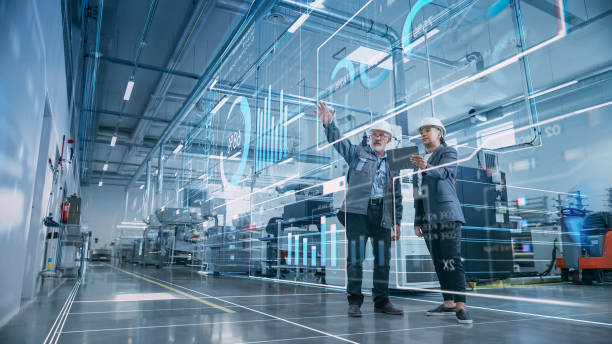
One of the biggest changes in modern manufacturing is real-time visibility. When production data updates live, teams can see what is happening at that moment.
They can check machine status, job progress, material use, and output numbers without waiting for paper reports or verbal updates.
This kind of setup saves time in daily work. A supervisor can quickly check which order is moving well. A planner can see if raw materials are enough for the next batch. A floor team can stay informed about targets for the day. This makes coordination simple and keeps everyone on the same page.
Many factories now use manufacturing software to collect and show this data in a useful format. It helps people understand the workflow clearly and keep daily operations organized.
Better Scheduling Supports Smooth Workflow
Production scheduling becomes much easier when digital tools are part of the system. Instead of managing jobs through manual methods, teams can plan production with better timing and proper sequence.
This helps in many simple but useful ways. Orders can be arranged based on priority. Machines can be assigned based on capacity. Work shifts can be managed with better planning. As a result, the full operation moves with more balance.
When scheduling is clear, workers also feel more settled in their tasks. They know what needs to be done first, what comes next, and how their work connects with the full production line. This creates a more stable and comfortable working style.
Stronger Connection Between Departments
Digital systems also improve how different departments work together. Manufacturing runs best when planning, inventory, production, and delivery are linked properly.
Shared Information Keeps Everyone Aligned
In a factory, many teams depend on each other. The store team needs material updates. The production team needs job details. The sales team needs the delivery status.
If every team works with separate records, daily work becomes slow. Digital systems solve this by keeping shared information in one place.
This improves communication in a natural way. Teams do not have to keep asking for repeated updates. They can check what they need and continue their work. This saves effort and helps work move with less delay.
A well-connected manufacturing software system can support this kind of coordination. It allows different departments to see the same data based on their role, which makes the entire operation more connected and easier to manage.
Inventory Planning Becomes More Practical
Inventory is a major part of manufacturing operations. Raw materials, spare items, packaging supplies, and finished goods all need proper attention. Digital systems help factories keep inventory records updated and useful.
With better stock tracking, teams can plan material movement in a more practical manner. They can see what is available, what is already in use, and what may be needed for future production. This supports better flow from store to shop floor and from production to dispatch.
Many manufacturers also connect inventory planning with cloud erp solutions so that data stays updated across teams. This helps management view stock, purchase needs, and production requirements together. It creates a more steady and informed way of working.
Smarter Decision Making Across Operations
Digital systems are also changing the way decisions are made in manufacturing. Instead of depending only on records or rough estimates, teams can now use current data to plan daily and long-term actions.
Data Helps Improve Output And Planning
When data is easy to read, managers can understand what is working well in the plant. They can review production speed, machine use, order flow, and labor support in a clearer way. This helps them take action with better confidence.
For example, if one process is performing very well, that method can be used in other sections too. If one shift is reaching targets more smoothly, its workflow can be studied and applied across the unit. In this way, digital systems support steady improvement through simple observation and timely action.
Quality Management Becomes More Consistent
Quality is an important part of modern manufacturing, and digital systems support it practically. Inspection records, production checks, and process notes can all be stored properly. This gives teams a clear view of product quality at different stages.
Digital quality tracking also helps teams learn faster. They can see which process gives stable results and continue using that method. This supports a culture of care, focus, and ongoing improvement in the factory.
A More Human And Balanced Way Of Working
Digital systems are not only helping machines and reports. They are also helping people work with less stress and more clarity in daily operations.
Workers Get Clear Tasks And Better Support
When instructions, schedules, and updates are easy to access, workers can do their jobs with better focus. They do not have to depend on unclear notes or repeated explanations. They can check the task, follow the process, and complete their work with better confidence.
This also supports training. New staff can understand the workflow faster when systems are simple and organized. Team leaders can guide them better, and the work culture becomes more stable.
The Future Looks More Organized
Modern manufacturing operations are becoming more organized because digital systems connect people, processes, and production data in a useful way. They support better planning, stronger teamwork, smoother inventory handling, and more informed decisions.
Conclusion
Digital systems are bringing a fresh and clear way of working in modern manufacturing. They help teams stay connected, keep production organized, and make daily tasks easier to manage.
From planning work schedules to tracking inventory and checking product quality, everything becomes more structured and simple to handle.