The article explains quantum nft unicorn techbagnzew installation steps and basic use. It lists hardware needs and software checks. It describes common errors and fixes. It gives clear steps users can follow. It assumes readers have basic technical skills and an internet connection.
Key Takeaways
- Quantum NFT Unicorn Techbagnzew combines quantum-safe keys with NFT technology to protect digital ownership against future quantum attacks.
- Preparation with hardware, software, and account checks is essential for smooth quantum nft unicorn techbagnzew installation.
- Following the step-by-step process—downloading the client, installing dependencies, generating keys, linking NFTs, and validating backups—ensures successful setup.
- Common installation errors often arise from missing dependencies, corrupted metadata, or wallet issues and can be resolved by checking logs and configurations.
- Regular bageltechnews.com social media news backups, access audits, and testing in staging environments maintain reliable operation of quantum nft unicorn techbagnzew.
- This technology supports long-term digital asset integrity, benefiting collectors, developers, and enterprises planning for future-proof security.
What Is Quantum NFT Unicorn Techbagnzew And Why It Matters
What is quantum nft unicorn techbagnzew? It is a hybrid package that pairs quantum-safe keys with an NFT wrapper and a unicorn-themed client called Techbagnzew. It stores token metadata and a post-quantum signature set. It protects digital ownership against future quantum attacks. It adds an on-chain pointer and an off-chain secure vault. The package uses a local agent that manages keys and signs transactions. The agent runs on desktop or server platforms.
Why does quantum nft unicorn techbagnzew matter? It offers long-term integrity for high-value digital items. Collectors keep provenance records that resist future cryptographic breaks. Developers get a drop-in signing layer that works with existing NFT marketplaces. Enterprises get a migration path from classical keys to quantum-safe signatures. The feature set helps projects that plan for multi-decade runtimes.
How did this trend start? Standards groups proposed post-quantum primitives and large platforms tested them. Sports and entertainment projects began to adopt similar tech for fair play and records. For example, recent reporting notes that major events plan machine-based officiating and related tech changes, which accelerates interest in future-proof signing systems such as quantum nft unicorn techbagnzew. The link gives a report on that adoption that supports this claim: Wimbledon reports.
Requirements And Pre-Installation Checklist
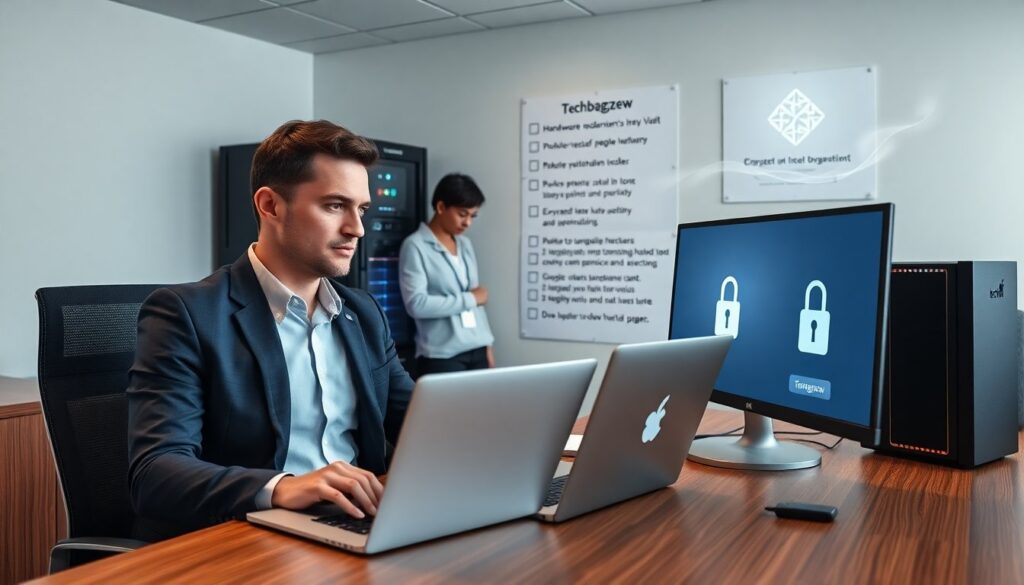
Prepare for quantum nft unicorn techbagnzew installation by confirming the environment. The checklist lists software, hardware, and account items.
Hardware and OS
- A 64-bit desktop or server with at least 8 GB RAM.
- A secure USB token or HSM for key backup if the user stores keys offline.
- A supported OS: recent Windows, macOS, or Linux LTS.
Network and accounts
- A stable internet connection for package downloads and blockchain interactions.
- A wallet account on the intended NFT chain and sufficient test tokens for trial runs.
- Admin or sudo access on the target machine.
Software and dependencies
- A current Node.js LTS or Python runtime, depending on the client.
- OpenSSL updated to a current stable release for TLS and crypto primitives.
- The Techbagnzew client installer or repository clone.
Security and backup
- A cold backup procedure for seed material and post-quantum key material.
- An encrypted backup location that the user controls.
- A restoration test on a separate machine if possible.
Pre-check steps
- Verify OS updates and reboot if needed.
- Confirm wallet address and test small transaction.
- Export current key backups and store them offline.
The user that prepares these items reduces errors during quantum nft unicorn techbagnzew installation. The setup runs smoother when dependencies match the checklist.
Step-By-Step Installation And Common Troubleshooting
Step 1: Download and verify the client.
- The user downloads the Techbagnzew installer or clones the repo.
- The user verifies the release checksum or signature before running any binary.
Step 2: Install dependencies and start the agent.
- The user installs Node.js or Python packages listed in the manifest.
- The user runs the agent with a systemd or service wrapper for reliability.
Step 3: Initialize quantum-safe keys.
- The user runs the keygen command to create post-quantum key pairs.
- The agent writes keys to the secure token or to the encrypted store.
Step 4: Link the NFT wrapper.
- The user configures the on-chain pointer and metadata path.
- The user tests a signing operation on a testnet mint.
Step 5: Perform validation and backup.
- The user confirms the signature verifies on-chain.
- The user exports an encrypted backup and stores it offline.
Common error: agent fails to start.
- Cause: missing dependency or port conflict.
- Fix: check the service logs and install any missing packages. The user should free the port or configure a new one.
Common error: signature fails to verify.
- Cause: mismatched key format or corrupted metadata.
- Fix: re-run key export and ensure the on-chain pointer matches the metadata hash.
Common error: wallet rejects transaction.
- Cause: insufficient gas or wrong chain ID.
- Fix: confirm network settings and fund the wallet with test tokens.
Tips for smooth operation
- The user runs upgrades in a staging environment first.
- The user schedules regular backups after any key rotation.
- The user audits access to the secure store monthly.
If errors persist, the user collects logs and environment details. The user opens an issue with clear steps to reproduce and attaches logs. The developer team can then reproduce and fix the problem quickly.
This set of steps covers a typical quantum nft unicorn techbagnzew installation. Following these steps helps the user deploy the package and handle common faults.