
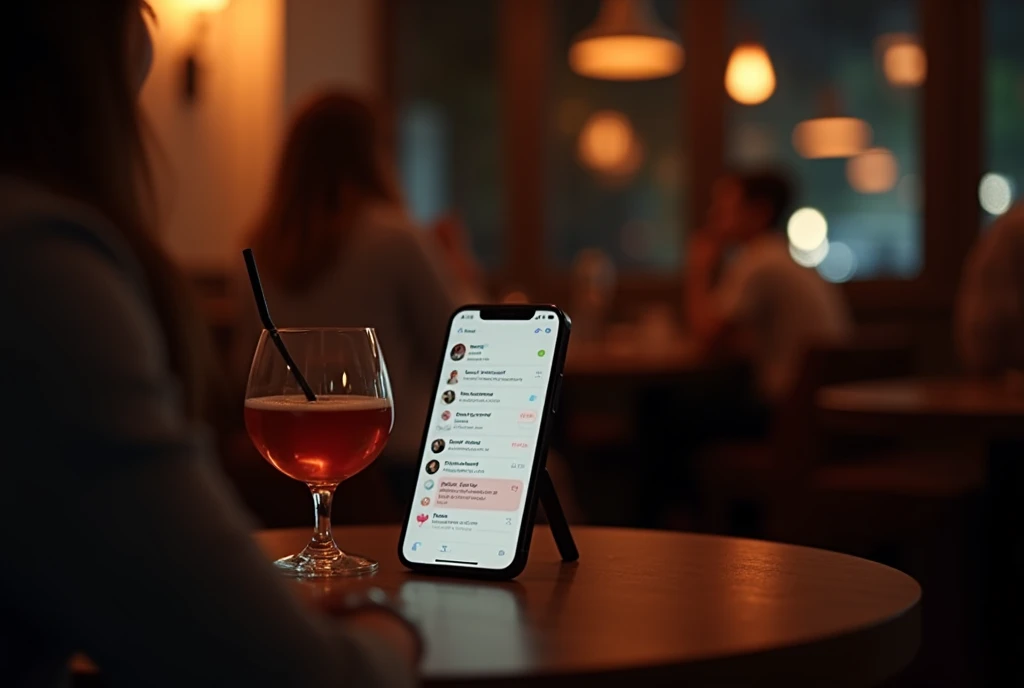
As the workday ends and the city shifts into evening mode, technology becomes the primary tool people use to decide how their night will unfold. Phones come out almost automatically: checking what is open, who is available, and how long it will take to get there. These decisions are rarely planned far in advance. They are shaped by timing, proximity, and convenience in the moment. A common scenario involves someone leaving a late meeting, scrolling through options while walking downtown, and narrowing choices based on availability and location. In this process-driven flow, services connected to nightlife, including escort, appear not as abstract concepts but as practical options surfaced through digital behavior and real-time access.
How Technology Influences Nighttime Decision Making
Nighttime decisions are made under different conditions than daytime choices. There is less patience for delays and more reliance on immediate confirmation. Technology responds to this by prioritizing speed and clarity. Interfaces are designed to show what is available right now rather than what might be possible later. Notifications, live updates, and instant messaging reduce uncertainty and allow users to act confidently within short time windows. This creates a nightlife environment where decisions feel controlled even when they are made quickly.
Real-time information and availability after dark
Live data plays a central role in nighttime planning. People expect accurate availability, current status updates, and fast responses. Whether choosing a venue or arranging a service, outdated information leads to frustration. Real-time systems help users avoid wasted time and adjust plans smoothly as conditions change.
Location-based services guiding nightlife movement
Maps and location filters shape how people move through the city at night. Proximity becomes a deciding factor, especially when time is limited. Technology helps users cluster their choices within reachable areas, making nightlife more efficient and less random.
Digital Platforms Reshaping Nightlife Services
Platforms act as organizers of nightlife rather than simple directories. They structure choices, manage communication, and provide a sense of order in what could otherwise feel chaotic. By centralizing access, platforms reduce the effort required to coordinate plans after dark.
Trust and Verification in Technology-Driven Nightlife Choices
As nightlife decisions increasingly rely on digital platforms, trust becomes a practical necessity rather than an abstract concern. Users want assurance that information is accurate, interactions are predictable, and arrangements will proceed as expected. Verification mechanisms such as confirmed profiles, consistent response patterns, and transparent availability help reduce uncertainty, especially late at night when tolerance for risk is lower. Technology supports this by standardizing how services present themselves and how users interact with them. Trust is built not through promises but through repeatable, reliable processes that users recognize and rely on over time. In modern nightlife, verification quietly shapes choice by making some options feel safer and more dependable than others.
On-demand access and coordinated experiences
Many nightlife-related services are designed around immediate demand, including:
- Late-night dining and delivery
- Transportation and mobility services
- Entertainment and leisure options
- Personal and lifestyle services
These categories thrive because they align with how people actually behave at night: deciding late and expecting quick execution.
Privacy, discretion, and controlled interaction
At night, users value control over interactions. Technology supports this through private messaging, selective visibility, and clear boundaries. Discretion is not an extra feature but a functional requirement in modern nightlife choices.
Behavioral Shifts in Modern Nightlife Culture
Technology has subtly reshaped nightlife culture by changing how people approach planning and spontaneity. Nights are no longer entirely unstructured, even when they feel casual. Digital tools introduce light planning without removing flexibility.
From spontaneous nights to structured planning
Key behavioral changes include:
- Faster decision cycles
- Reduced reliance on chance encounters
- Greater emphasis on predictability
- Increased use of digital coordination
These shifts reflect adaptation rather than loss of spontaneity.
Conclusion: Technology Shaping Modern Nightlife Choices
Technology has become an invisible framework supporting modern nightlife. It shapes choices through access, timing, and information rather than overt influence. As people continue to rely on digital tools to navigate evenings, nightlife becomes more efficient, intentional, and adaptable. The result is not a diminished experience, but one that aligns more closely with how urban life functions after dark.