Finding the exact location of a phone number is no longer a mystery. What once required specialized equipment is now possible with everyday technology. From GPS tracking to cell tower triangulation and IP-based detection, these systems combine multiple signals to pinpoint a device with remarkable precision.
In this article, you will know how phone number location tracking works, what methods deliver the most accurate results, and how modern tools like the GEOfinder.mobi phone number tracker feature makes it an easy-to-use process.
The Science Behind Phone Number Location Tracking
When you track phone number data, you’re essentially gathering signals from multiple sources to estimate the phone’s coordinates. These signals come from satellites, mobile networks, and internet connections.
Each method — GPS, cell ID, or IP location — contributes a different layer of precision. Together, they create a complete view of where a phone is and how it moves. Let’s look at the main technologies used in modern phone number geolocation techniques.
1. GPS Tracking — The Most Accurate Method
Global Positioning System (GPS) remains the gold standard for location accuracy. It uses a network of satellites that orbit the Earth, constantly sending time-stamped signals. A smartphone receives these signals from multiple satellites, calculates the distance to each, and determines its exact coordinates.
Why GPS is So Effective
- Delivers precise, street-level location (within meters).
- Works anywhere on Earth with open sky visibility.
- Offers real-time updates as the device moves.
- Functions independently of mobile networks.
If you’ve ever used a map app, you’ve experienced GPS in action. This is the foundation of how most systems, including modern trackers like GEOfinder, identify a phone’s live position.
2. Cell Tower Triangulation — The Network-Based Method
When GPS signals are weak or unavailable (such as indoors or in dense urban areas), devices rely on cell tower triangulation — also called Cell ID tracking.
Every phone connects to a nearby cell tower to maintain service. By measuring the phone’s distance from several towers, networks can estimate its location based on signal strength and timing.
Advantages of Cell ID Tracking
- Works even when GPS is disabled or blocked.
- Requires only a cellular connection.
- Provides approximate but consistent coverage.
- Helps maintain communication when satellite signals fail.
This approach is widely used by telecom providers and law enforcement agencies. While less precise than GPS, it’s crucial for finding phones via cell ID when satellite access isn’t possible.
3. IP Address Tracking — Location via Network Data
Every device that connects to the internet has an IP address, which can reveal its approximate location. IP tracking identifies the geographic region, city, and sometimes the network provider associated with that address.
What IP Tracking Reveals
- Region, city, or country of the connection.
- Type of network (mobile, Wi-Fi, broadband).
- Sometimes the coordinates of the nearest access point.
Although IP-based phone number geolocation techniques aren’t as precise as GPS, they’re valuable for confirming whether a device is in a general area. Many tools use IP location as a fallback method when satellite or cell data is unavailable.
Combining GPS, Cell Tower, and IP — The Hybrid Approach
Modern trackers don’t rely on just one method. Instead, they combine multiple data sources for better accuracy. For example:
- GPS provides exact coordinates.
- Cell towers confirm proximity and movement.
- IP data verifies the network region.
This combination ensures that even if one signal is weak, others fill in the gaps. That’s how services like GEOfinder achieve reliable results across regions and networks. The fusion of all three methods allows users to track phone number locations confidently anywhere in the world.
How Phone Number Location Tracking Works in Practice
To find location by phone number, a tracker sends a unique, secure message to the number. Once the recipient opens the link, the system gathers available signals — GPS coordinates, cell tower IDs, and IP data — and displays them on a map.
It’s simple, fast, and doesn’t require app installations. Because this process uses the device’s built-in connection, it works across platforms and devices.
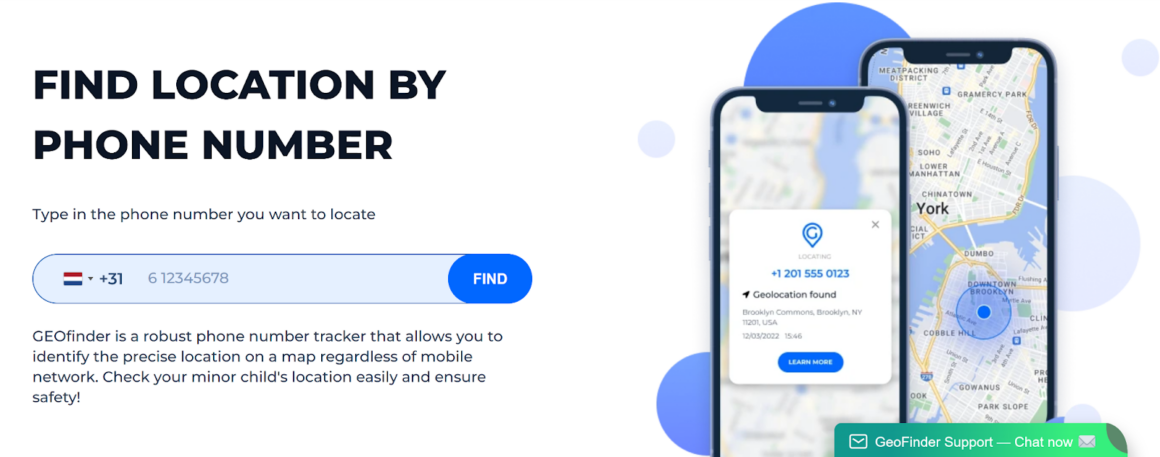
Most online tools follow the same pattern: collect, compare, and visualize data. Systems like GEOfinder have refined this into an instant process, offering location details within seconds.
How Accurate Are These Methods?
Accuracy depends on which technique is active at the time.
- GPS: within 1–5 meters outdoors.
- Cell tower triangulation: within 50–200 meters.
- IP address: within a few kilometers.
The hybrid model delivers the most dependable results because it blends precision with coverage. This layered system ensures that location data remains accessible even when one signal is temporarily weak.
When and Why to Use These Methods
Understanding how to find phone via GPS vs cell ID helps determine which method suits a situation.
You might use:
- GPS tracking for outdoor or vehicle location.
- Cell tower triangulation for urban or indoor tracking.
- IP-based detection for online activity or broad region checks.
Every method serves a purpose. Combining them — as many modern trackers do — produces the fastest and most accurate results. That’s how parents, professionals, and security teams worldwide locate phones quickly and discreetly.
Verdict
As technology advances, tracking precision continues to improve. GPS, cell tower, and IP data are now seamlessly integrated, offering reliable real-time insight into device locations. These combined phone number geolocation techniques make it easier than ever to find what you’re looking for.
Whether you’re trying to find location by phone number, confirm activity through cell ID, or monitor connectivity via IP, the tools now available are fast, accurate, and user-friendly.
Reliable solutions such as GEOfinder demonstrate how accessible and effective modern tracking has become — using satellite data, network strength, and internet signals together for one clear, instant result. The technology is here, it’s dependable, and it continues to evolve — making location tracking an indispensable part of our connected world.