The idea of earning money quickly and easily is what drives thousands of new traders to the forex markets. While trading is not easy and is complicated. It might still be suitable for busy travelers and those who love digital nomad lifestyles.
Unlike most income streams, forex trading is not tied to specific places or schedules. The market operates 24 hours a day, five days a week, across global time zones. For travelers, this is superior flexibility, which is an important part of the appeal.
But before it becomes a lifestyle choice, it needs to be understood for what exactly it is: a skill that takes time and effort to develop.
A beginner-friendly intro to what forex trading is
If you are new to the concept, a forex trading for beginners guide is a good place to start understanding how this global market works. And it is a huge market, with more than 7.5 trillion dollars in trading volume every single day; there is no market that equals forex. Here, currencies are bought and sold. Traders typically speculate on the value of one currency against another, such as the euro against the U.S. dollar in EUR/USD. Currency pairs in the foreign exchange market represent all currencies.
For example, if you believe the euro will strengthen, you buy the EUR/USD pair, but if you think it will weaken, you sell it. This is because, in EUR/USD, the base currency is EUR, denominated in dollars, showing how much you have to pay in dollars to get 1 euro. Price moves based on global factors like economic data, interest rates, and geopolitical events.
What makes forex unique for travelers
For digital nomads and travelers, forex can be very tempting because all you need is:
- A laptop, tablet, or smartphone
- Internet access
- A trading account
This is why many digital nomads consider forex trading as a perfect side hustle.
The basics of getting started
Getting started with forex is very simple, but doing it properly is where most beginners still struggle. Below are three key components to start forex trading properly.
Forex Broker
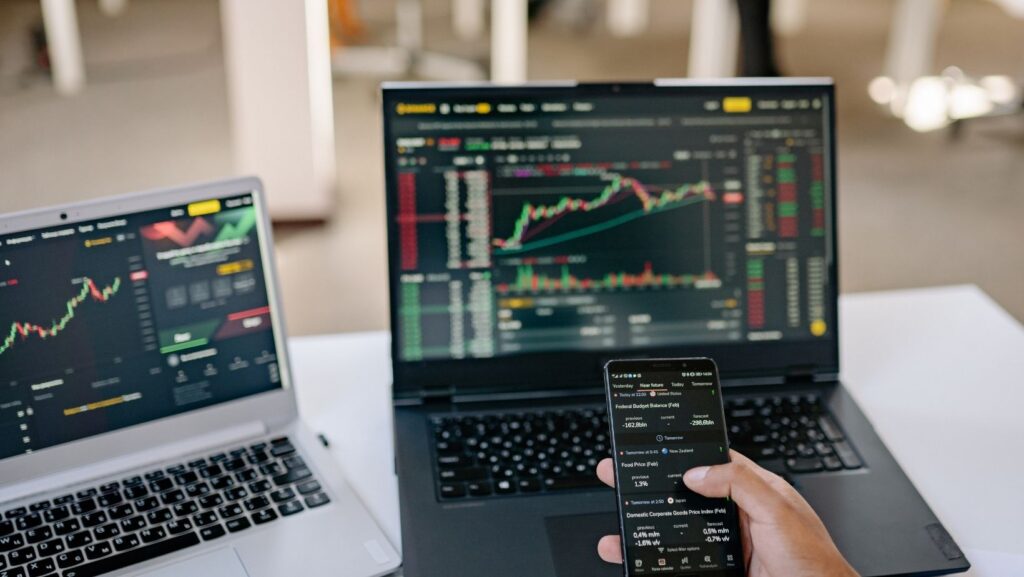
A broker is the intermediary between you and the markets. It provides you with the platform that connects you to the market. It is where you open trades, manage trading accounts, and access charts.
The broker should be regulated, with low fees and transparent pricing, and with fast and easy deposits and withdrawals. This is especially important when you are travelling across countries and currencies.
Trading platform
Most brokers offer trading platforms like MetaTrader 4 or MetaTrader 5. They allow you to analyze charts, apply indicators, and open buy and sell trades. They are designed to work on both desktop and mobile, making them ideal for a flexible lifestyle. For mobile trading, MetaTrader 5 is among the best in the sector right now, and it is also completely free. Traders who use multiple platforms may also benefit from a Tradervue thinkorswim import, which can make it easier to consolidate trade data and review performance alongside their regular trading tools.
Demo account
Before risking real money, you need to familiarize yourself not only with forex markets but also with the platform and its basic functionality. You can do all of this safely using the demo account, where you have virtual money and can access live markets. This is a training mode where you build confidence and develop essential skills.
Realistic expectations and risk warnings
Forex trading is often marketed as an easy way to make money online. This perception is very misleading. In reality, most beginners lose money, consistency takes time to develop, and emotional control is just as important as the trading strategy itself.
Relying on trading as your only income source too early will create unnecessary stress and risks.
It’s a skill, not a quick fix
A more sustainable approach is to treat trading as a skill you build gradually. You should combine it with other income sources initially and focus on learning, not quick profits. In fact, promises of quick profits are how most scams and fake gurus attract beginners and steal their money.
Over time, some traders reach a level where trading will produce most of their income, but that’s the result of discipline, not luck.