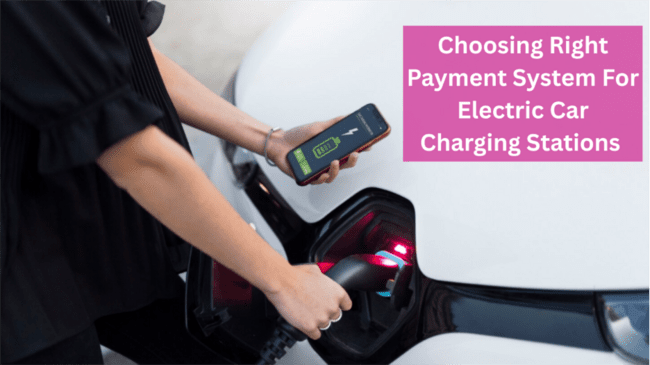
Electric vehicle drivers desire that charging should be fast and easily available, but the barriers to payment slow down the operation and create frustrations at the point of payment. Numerous users encounter downloading apps, restricted payment possibilities, or unsuccessful transactions, which leads to abandoned sessions and reduced charger utilization.
Operators are also involved in manual reconciliation, incoherent billing records, and revenue loss since the payment tools are not aligned with the actual use requirements.
An appropriate payment system can eliminate these loopholes by offering a variety of payment options, safe processing, and displaying prices. It also provides you with superior control over access, reporting, and tracking transactions across locations.
This article describes some of the most important considerations that enable you to choose a payment system that enhances the convenience of drivers and the efficient operation of the station.
1. Payment Method Flexibility
An electric car charging station payment system in the present day should accommodate more than a single mode of payment since there are many types of drivers. There are users who use contactless cards, some use mobile wallets, and others use RFID authentication.
In cases where such options are restricted by stations, the session is lost, and lines on waiting become longer, and this lowers general usage.
Flexible payment acceptance is a feature that enables drivers to begin charging instantly without the requirement to sign up to the app.
This enhances accessibility for occasional users and visitors. Moreover, the trend in regional payments varies, and therefore, multi-method support guarantees greater transaction success in different locations.
It allows seamless tap-and-go access, minimizing time spent in waiting lines and increasing the number of successful charging sessions.
2. Access Control Structure
Access policies determine the access of your chargers and on what terms, which has a direct impact on availability and revenue management. Open payment is required at the public stations, and controlled authorization at fleet or workplace chargers with the use of RFID or account-based access.
Time-based pricing is also supported by structured access, allowing you to deal with peak demand and increase charger turnover. Indicatively, an increase in tariffs during rush periods would promote shorter sessions and enhanced availability.
There are also remote control features, which enhance operations to the point that you can enable or block sessions immediately without the need to touch. This helps minimize misuse, prevents unpaid charging, and makes sure that your infrastructure can benefit the people it is meant to be used by.
3. Revenue Protection Measures
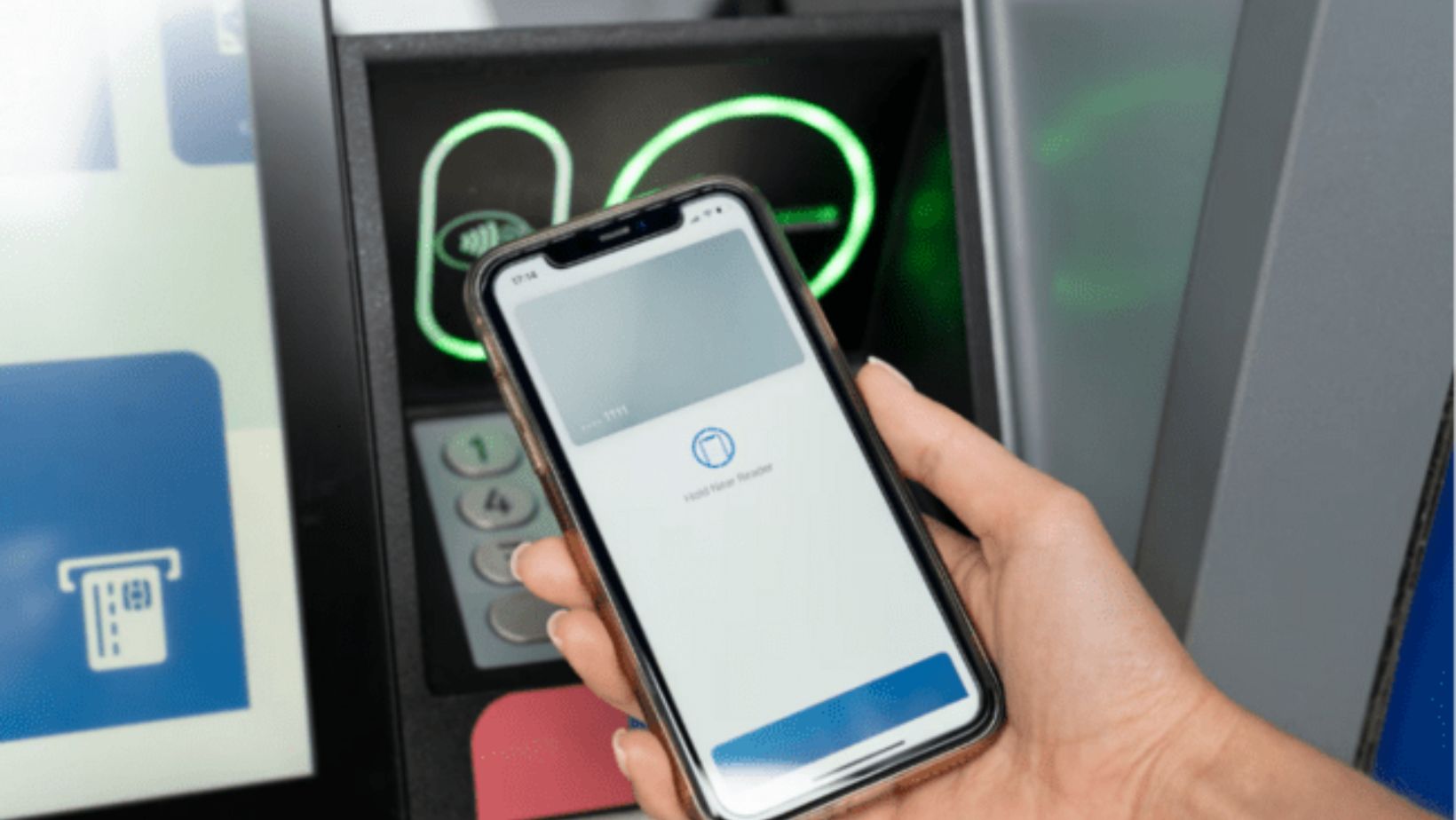
A reliable payment processing helps safeguard revenue and minimize customer conflicts. Unsuccessful transactions or slow synchronization cause billing issues and increase manual work.
A reliable system verifies payment in real time, and it stores information safely. Offline capability enables charging even when network outages occur, and operations are synchronized when connectivity is regained. This avoids revenue loss and ensures continuity of the services.
Pricing should be displayed clearly prior to the start of the session, too. Once drivers view specific tariffs, the number of complaints falls and trust increases.
By keeping precise records, reconciliation and reporting are simplified, and that is why you can manage finances with less administrative work.
4. User Experience Flow
Interaction with payment must be quick and easy since drivers can be in a hurry with little time. There are clear prompts, a few steps, and fast authorization, which enable the sessions to begin in a few seconds. Through complicated user interfaces or compulsory sign-ups, users have a higher chance of leaving without charge.
Visual cues of session status aid in making drivers understand their progress without reviewing various interfaces. Digital receipts are automated to bring transparency and ease in tracking expenses.
Accessibility is also enhanced by the multilingual assistance, particularly in tourist or high-traffic localities. With easy-to-follow instructions, turnover of sessions is boosted, and stations can manage more vehicles without investing in extra hardware.
5. Data Insight Capability
Payment systems give you specific data that can help you comprehend the performance of chargers in various places. Transaction history indicates busiest times, most used modes of payment, and trends in revenue.
Knowing this, you could modify prices, locate underutilized stations, and leverage growth on actual demand. Centralized dashboards minimize the process and time taken in manual reporting and enable quicker decision-making.
You also gain visibility into failed payments, which helps resolve issues quickly. Fraud detection tools flag unusual activity early and protect financial stability. These insights improve operational control, support smarter planning, and help you maintain consistent service quality.
6. Future Ready System Design
A scalable payment setup ensures your chargers remain compatible with new technologies and user expectations.
- Systems that support remote updates reduce the need for hardware replacement and lower long-term costs.
- Integration with roaming networks enables wider driver access and increases station visibility.
- Open connectivity with fleet and energy platforms creates additional revenue opportunities.
- Compliance with evolving security and payment standards also protects operations.
This adaptability allows you to introduce new pricing models and authentication methods without disruption. A future-ready structure keeps your network efficient, competitive, and prepared for continued growth.
Conclusion
Selecting a suitable payment system directly influences charger usage, revenue stability, and driver satisfaction. Flexible payment acceptance removes access barriers and increases completed sessions across different user groups.
Clear access control and transparent pricing reduce misuse and billing disputes, while reliable processing protects income during network interruptions. Simple user flow encourages repeat visits and improves station turnover without additional hardware.
Data visibility supports better pricing and expansion decisions based on actual demand. A future-ready system also maintains compatibility with evolving payment technologies. When these elements work together, your charging network operates efficiently and delivers a consistent, reliable experience for every driver.