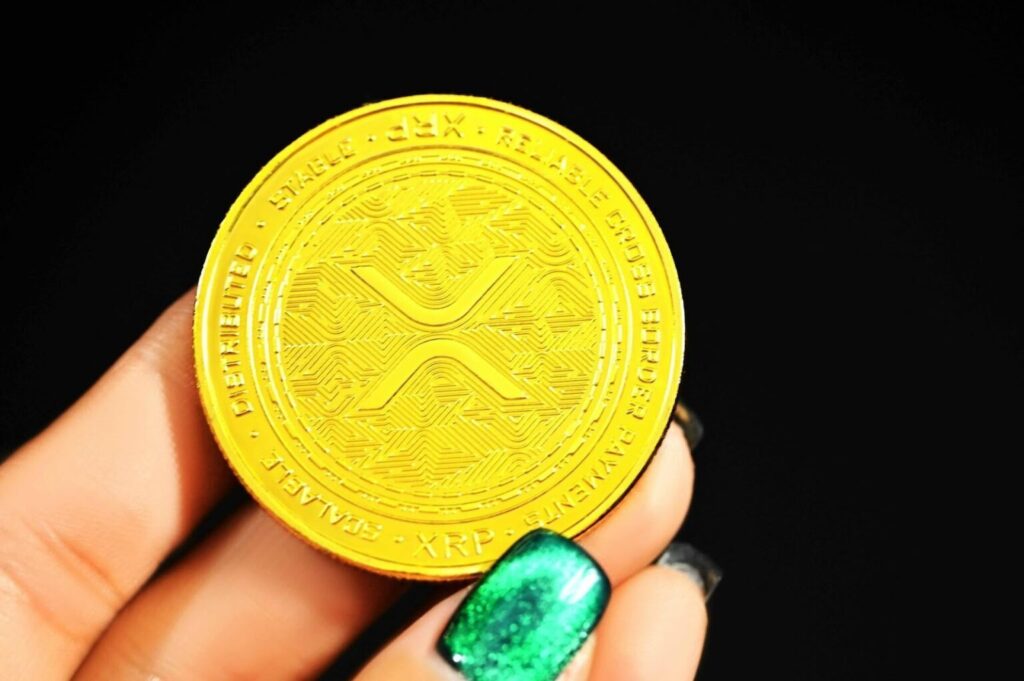
XRP remains one of the most traded digital assets in the crypto market. Built on the XRP Ledger and designed for fast, low-cost transfers, it’s used for cross-border payments and price speculation alike. Before buying XRP, there’s a key decision to make: should you use a centralized exchange or a decentralized option? The answer depends on what you value more: convenience and liquidity, or privacy and control. Let’s break it down.
What is a Centralized Exchange (CEX)?
A centralized exchange is a crypto platform operated by a company that matches buyers and sellers using an internal order book. Think of it as similar to an online stock brokerage account. Popular examples include Coinbase, Binance, Gemini, Bitstamp, and Kraken. Here’s what defines a CEX:
- Custodial storage: The exchange holds your private keys
- Fiat on-ramps: You can deposit US dollars and convert to cryptocurrency
- KYC verification: Identity checks are required
- High liquidity: Large trading volume makes it easier to execute trades
- Fast order matching: Trades are processed off-chain through internal systems
For beginners, CEX platforms are often the easiest way to buy XRP. The interface feels familiar, depositing funds is straightforward, and orders execute almost instantly. However, when you use a centralized exchange, you’re trusting a company to safeguard your funds.
What is a Decentralized Exchange (DEX)?
A decentralized exchange operates through smart contracts on a blockchain. There’s no central operator holding your funds. Instead:
- You connect a non-custodial wallet
- You keep full control of your private keys
- Trades are executed on-chain
- No KYC is typically required
Examples include Uniswap, PancakeSwap, Curve, and SushiSwap. DEX platforms use automated market makers (AMMs) instead of traditional order books. Liquidity comes from user-funded pools, and pricing follows mathematical formulas rather than centralized matching engines.
That sounds empowering, but it also means you’re fully responsible for your security. There’s no support if you lose your seed phrase, or reversal if you send funds to the wrong address.
Custodial vs. Non-Custodial: Who Holds the Keys?
This is one of the biggest differences.
CEX (Custodial):
- Exchange holds private keys
- Easier account recovery
- Risk of exchange hacks or frozen withdrawals
DEX (Non-Custodial):
- You control private keys
- No account freezes
- Full responsibility for wallet security
For many new XRP buyers, custodial platforms feel safer because of customer support and account recovery options. More experienced users often prefer full control.
Why Liquidity is Important
Liquidity determines how easily you can buy or sell XRP without affecting the price. Centralized exchanges dominate trading volume. In 2021, CEX platforms handled over $14 trillion in spot trading volume, compared to under $100 billion on DEXs during the same period.
While decentralized trading has grown, recently peaking at over 20% of spot volume, centralized exchanges still lead in depth and order flow. This is especially important if:
- You’re trading larger amounts
- You want tight spreads
- You need instant execution during your transactions
DEX liquidity depends on the specific pool. For smaller trades, it may not matter, but for larger ones, slippage can become a real issue.
Fees: It’s Not Always Cheaper on One Side
Fee structures differ in the following ways:
Centralized exchanges typically charge:
- Trading fees (often 0.1% to 0.5%)
- Withdrawal fees
- Sometimes deposit fees
- Spread markups
Decentralized exchanges charge:
- Liquidity provider fees
- Blockchain gas fees
Gas costs can spike during network congestion. On Ethereum-based DEXs, this has historically made small trades expensive. There’s no universal winner; it depends on the blockchain and trade size.
Compliance and Identity Verification
Centralized exchanges operating in the U.S. must follow Know Your Customer and Anti-Money Laundering regulations. That means uploading ID, address verification, and sometimes facial recognition.

For investors researching how to safely get XRP using Kraken, compliance and identity verification are part of the security framework that regulated exchanges implement to reduce fraud and protect users. DEXs, by contrast, often allow trading without personal information. All you need to do is connect a wallet.
Where Should You Buy XRP?
There isn’t a universal answer for this. Choose a centralized exchange if you want:
- Fiat deposits
- Higher liquidity
- Faster order execution
- Customer support
- A beginner-friendly interface
Meanwhile, choose a decentralized exchange if you want:
- Full custody of your assets
- Fewer identity requirements
- Access to newer tokens
- Greater control over transactions
Endnote
Many experienced crypto users use both options. They buy XRP on a centralized exchange, then transfer it to a private wallet or interact with decentralized platforms. The decision ultimately comes down to your risk tolerance and comfort level with managing private keys. XRP itself may be fast and efficient, but how you access it matters just as much as why you’re buying it.