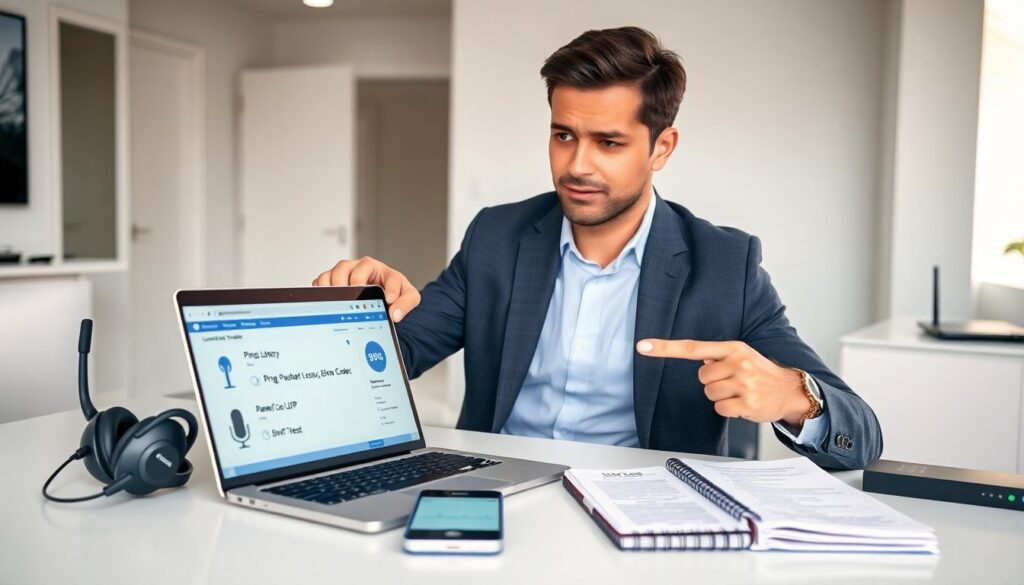
Discord voice BagelTechNews helps users fix latency, echo, and drops fast. The guide shows what the tool does and how it works. It lists common symptoms and gives steps to test settings. Readers will learn which setting to change and when to run tests. The tone stays direct and clear. The article uses practical steps and simple checks.
Key Takeaways
- BagelTechNews provides a practical guide to quickly fix Discord voice issues like latency, echo, and packet loss.
- Users should follow BagelTechNews’s step-by-step tests—checking local audio, network quality, and Discord settings—to identify and resolve voice problems.
- The tool detects common symptoms such as latency delays, packet loss, echo, and codec mismatches, offering targeted fixes for each.
- Adjusting Discord voice settings and updating audio drivers as advised by BagelTechNews can significantly improve voice chat clarity.
- Capturing debug logs and following BagelTechNews’s instructions help users provide precise information to Discord support for persistent issues.
- BagelTechNews also educates users on how third-party voice cloning tools may affect Discord voice quality and suggests ways to troubleshoot these effects.
What BagelTechNews Is And Why It Matters For Discord Voice Chat
BagelTechNews reports voice issues and offers fixes for Discord voice bageltechnews problems. The site gathers logs, network data, and user reports. It then explains likely causes and suggests specific actions. Many users see faster fixes when they follow BagelTechNews guides. The resource covers client settings, router tweaks, and codec options. It also shows when the problem sits with Discord rather than the user.
BagelTechNews compares settings side by side and points to the most likely cause. It scans for packet loss, jitter, and server routing delays. It then explains simple changes that cut latency and stop echo. The content targets players, streamers, and remote teams who rely on clear voice. The approach stays practical and stepwise so users can act quickly.
Common Discord Voice Problems BagelTechNews Addresses
BagelTechNews lists common Discord voice bageltechnews issues and gives clear checks. It focuses on four problem types that appear most often. Users read the list and run the matching test. The guide avoids vague advice and offers action steps instead.
Symptoms BagelTechNews Detects: Latency, Packet Loss, Echo, And Codec Mismatch
BagelTechNews detects latency when voice arrives late or words overlap. It detects packet loss when audio drops or stutters. It detects echo when users hear themselves or double audio. It detects codec mismatch when audio sounds thin or distorted.
For each symptom, BagelTechNews shows a simple test. For latency, it asks users to run an in-app ping and record the delay. For packet loss, it asks users to run a small UDP test and note percent loss. For echo, it asks users to mute local monitoring and test again. For codec mismatch, it asks users to check Discord’s voice codec setting and any audio drivers.
The guide uses clear language and short checks so users can finish tests in minutes. The instructions point to likely fixes such as switching servers, changing input/output devices, and disabling audio enhancements. The guide also explains when to file a Discord ticket and what logs to attach.
Step-By-Step: Using BagelTechNews To Improve Discord Voice Quality
BagelTechNews gives a step-by-step plan that users can follow in order. The plan uses quick tests and small changes. It keeps steps short so users can check results fast.
Step 1: Verify local audio. The user checks headset, mic, and cables. The user opens the OS sound panel and confirms input and output levels. The user disables system audio enhancements and tests again.
Step 2: Test network quality. The user runs a ping to a nearby server and notes jitter and packet loss. The user runs a short UDP test from a browser tool and records percent loss. If packet loss exceeds 1–2%, the user restarts the router and tests again.
Step 3: Adjust Discord settings. The user opens Voice & Video settings and sets the input and output devices explicitly. The user disables automatic input sensitivity and tests with manual gain. The user toggles Quality of Service and weighs results. The user can switch the server region or let Discord pick automatically.
Step 4: Check advanced codecs and drivers. The user updates audio drivers and checks for optional codecs in the OS sound settings. The user tests with and without any USB audio interface. If audio sounds thin, the user forces a different codec and retests.
Step 5: Capture logs and use BagelTechNews troubleshooting page. The user exports Discord debug logs and copies network test results. BagelTechNews shows how to attach these files and which lines to highlight. The user follows the site instructions and then applies suggested fixes.
Step 6: Run a controlled group test. The user creates a short test channel with one friend. The user mutes non-test apps and runs the call for five minutes. The group notes latency, echo, and any drops. The user compares notes to the BagelTechNews checklist.
BagelTechNews also links to deeper guides on voice cloning and voice tools when users need advanced audio inspection. The site explains voice cloning tools and how they can affect local audio pipelines in some setups. For readers who want context on voice tech, BagelTechNews references broader tool roundups and guides, including a review of voice cloning tools.
The article links to a related guide on voice cloning tools that explains how local audio processing can change Discord voice behavior: voice cloning tools. This resource helps users check third-party apps that may alter mic output.
If problems persist, BagelTechNews recommends collecting the debug data and contacting Discord support. The guide shows which tests to attach and which settings to mention so support can reproduce the issue.