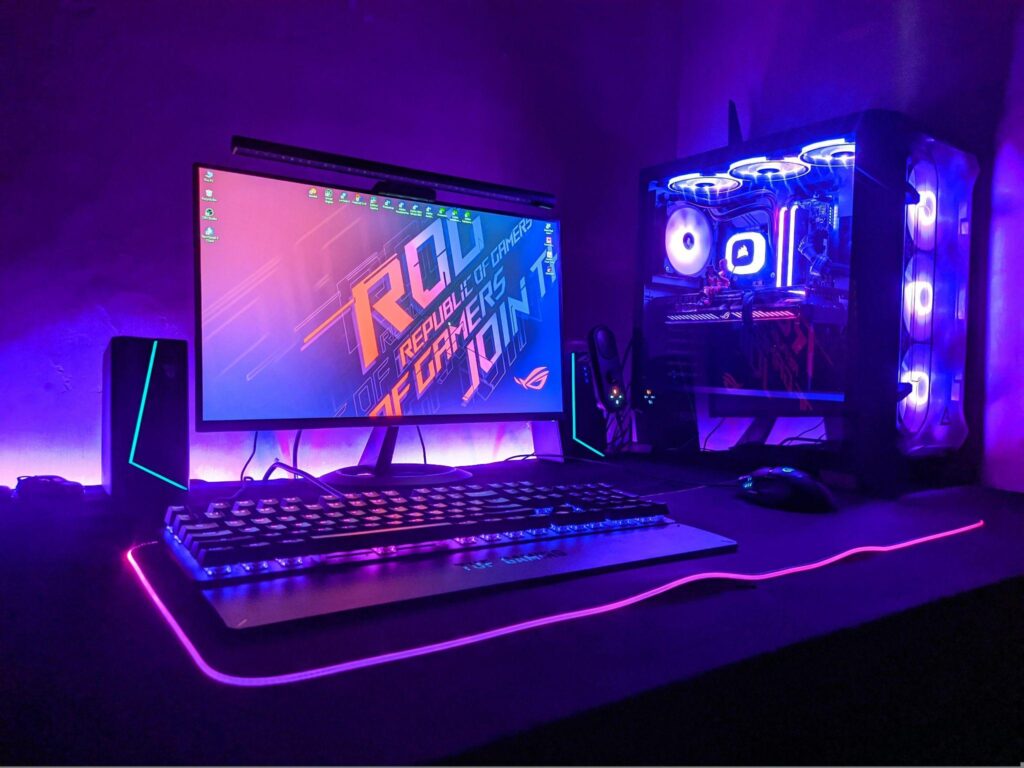
Gaming PCs have long been associated with large tower cases featuring RGB lighting and oversized cooling systems that dominate an entire room. For years, full size towers were considered the gold standard for PC gaming performance. However, a noticeable shift is happening in the gaming community. More players are now choosing mini gaming PCs over traditional desktop towers, and for good reason:
These compact systems are becoming more powerful, efficient and practical than ever before. What was once considered a compromise is now a viable option for casual and competitive gamers alike.
Read on to find out why mini gaming PCs are rapidly gaining popularity.
Smaller Size, Bigger Convenience
One of the main reasons why players are switching to mini gaming PCs is clear: size.
Traditional gaming towers can take up a lot of desk or floor space, which is inconvenient for smaller setups. Many gamers today live in small spaces such as apartments, dorm rooms or shared flats, where every inch matters.
Mini gaming PCs offer a clean, compact solution without sacrificing too much power. Their small footprint makes them easy to place on desks, entertainment centres or even in portable setups.
For gamers who prioritise minimalist aesthetics, mini PCs also fit seamlessly into modern gaming environments, helping to prevent clutter.
Performance Is No Longer a Major Sacrifice
A few years ago, choosing a smaller gaming PC often meant compromising on performance. Mini systems would often struggle with overheating, weaker graphics or limited upgrade potential.
However, this gap is shrinking fast.
Modern mini gaming PCs now feature powerful processors, high speed SSDs, advanced cooling systems and dedicated GPUs capable of smoothly running AAA games. Thanks to more energy efficient hardware and improvements in compact engineering, players can now enjoy high frame rates without requiring an oversized machine.
For many gamers, especially those focused on 1080p or 1440p gaming, mini PCs provide ample performance for popular titles.
Unless someone is building an ultra high end 4K gaming PC or requires extreme customisation, a mini gaming setup can easily meet everyday needs.
Better Energy Efficiency
Mini gaming PCs generally consume less power than large gaming towers.
As hardware manufacturers focus on efficiency, modern compact systems can deliver excellent gaming performance while producing less heat and requiring less energy.
This is important for players who game for long periods or who want to keep electricity costs down.
Reduced heat output also often means quieter operation, creating a more comfortable gaming experience without the constant background noise of cooling fans.
Easier Portability for Gamers
Not all gamers want a fixed setup.
The rise of LAN events, tournaments, streaming spaces and shared households has made portability increasingly important. Transporting a bulky gaming tower can be inconvenient, risky and frustrating.
Mini gaming PCs solve this problem.
Their compact design makes them significantly easier to carry, relocate or integrate into multipurpose setups. Whether you want to game in your bedroom, move to a setup in the living room, or travel with your system, mini PCs offer a flexibility that traditional towers simply cannot match.
This convenience is highly appealing to modern gamers who value adaptability.
Cleaner Setups Are Becoming More Popular
Gaming culture has evolved.
Many players are moving away from bulky battle stations and towards sleek, organised desk setups inspired by productive workspaces and creative environments.
Mini gaming PCs naturally support this trend. Their smaller size leaves more desk space for monitors, accessories, speakers and streaming equipment.
A clean setup can also improve comfort and focus during long gaming sessions.
For streamers and content creators, a minimalist background can look more professional on camera than a setup with lots of cables and other equipment.
The Rise of Cloud and Digital Gaming
Gaming habits are changing.
Nowadays, more players rely on cloud saves, digital game libraries, streaming platforms and optimised online experiences than on physical media or massive hardware customisation.
Consequently, gamers are increasingly prioritising convenience and functionality over owning the largest possible PC case.
Even demanding multiplayer titles can perform exceptionally well on modern mini gaming systems, rendering oversized towers unnecessary for many users.
In today’s gaming landscape, practicality often triumphs over excess.
Gaming Communities Influence Buying Decisions
Player recommendations play a significant part in shaping hardware trends.
Gamers regularly consult YouTube reviews, Reddit discussions, Discord communities and other trusted platforms before investing in gaming equipment. Research has become an important part of the purchasing process, particularly when comparing price to performance value.
This mindset also extends to other entertainment categories, where players seek trusted sources before spending money online. Platforms such as Slots O Rama have gained popularity among users seeking information, comparisons and insights into entertainment, demonstrating the importance of trusted recommendations in digital decision making.
Whether they are choosing a gaming PC or exploring online gaming experiences, modern users value transparency and informed choices.
Are Traditional Towers Becoming Obsolete?
Not exactly.
Gaming towers still offer significant benefits to enthusiasts seeking maximum performance, extensive cooling, custom water loops and unlimited upgrade potential.
Towers remain highly relevant for competitive players chasing the highest FPS at ultra settings and for creators handling demanding workloads such as 3D rendering.
However, the priorities of the average gamer are changing.
Today’s gamers often prioritise practicality, space saving, energy efficiency and clean setups over building the biggest machine possible.
This explains why mini gaming PCs are becoming increasingly popular.
Final Reflections
The growing popularity of mini gaming PCs reflects a wider evolution in gaming culture.
Gamers no longer require bulky desktop computers to enjoy high quality gaming experiences. These compact systems have evolved into powerful alternatives that combine performance, convenience and aesthetics in a way that traditional desktops often cannot.
As technology continues to improve, mini gaming PCs are likely to become even more capable.