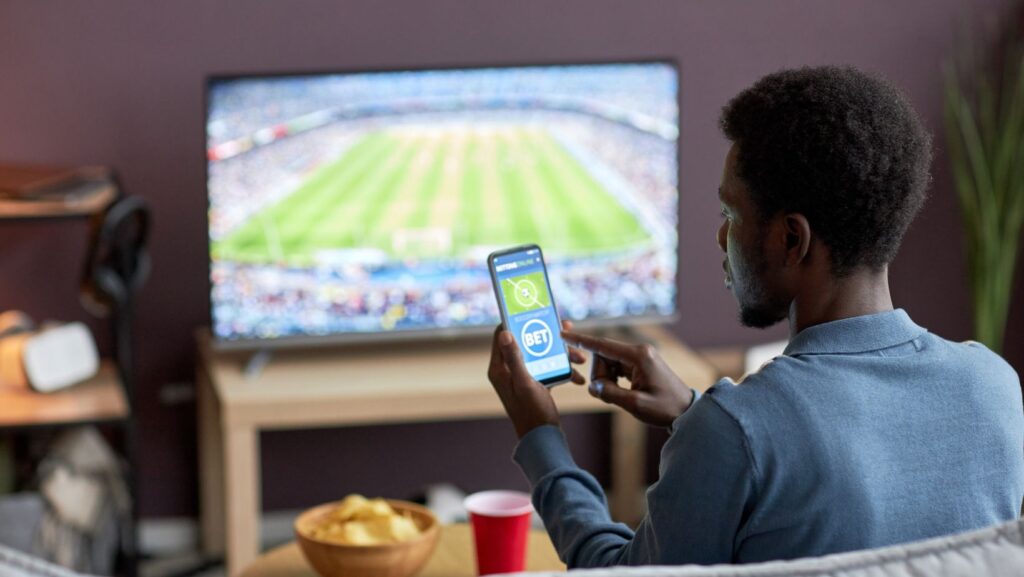
People love to imagine that a first bet starts with research. Odds compared. Stats checked. A plan in place. In reality, almost nobody does that the first time. First-time bettors don’t arrive looking to “bet”. They arrive already watching something and take a small step sideways.
That’s an important difference. Most first bets happen because a game is already on. A match is playing in the background. Friends are talking about it. Someone mentions odds in passing. The bet is just a part of the fun, a little thrill to what is happening.
Familiarity Beats Curiosity
The first thing new bettors almost always choose is something they already know. Not the best value. Not the most interesting market. Just something familiar. A team they support. A club they’ve watched for years. A national side during a tournament. Familiarity lowers the friction. There’s no feeling of guessing in the dark. Even if the logic is thin, it feels informed. This is why first bets almost never involve obscure leagues or unfamiliar sports. Even when those options are right there on the screen, they get ignored. New bettors don’t want discovery. They want reassurance.
Simple Beats Clever
Early bets are basic. Match result. Over or under a clean number. “Will this team score?” Things that don’t need explanation. It’s not that first-timers can’t understand complex markets. It’s that complexity feels unnecessary. The moment betting starts to resemble homework, interest drops. First bets mirror how people already talk about sport. Who’s going to win. Will there be goals. Is this match tight or open. Anything that requires scrolling past a few options usually gets skipped.
Big Events Do The Heavy Lifting
A huge percentage of first bets happen during major events. World Cups. European Championships. Champions League knockout rounds. Finals. These matches already feel special. Betting feels like adding a layer, not starting something new.

There’s also safety in numbers. When everyone is watching the same game, betting doesn’t feel like a personal decision. It feels shared. This is also why first bets are often placed impulsively. Not days in advance. Minutes before kickoff. Sometimes after the game has already started.
Live Betting Feels Natural, Not Risky
A lot of first-time bets happen in-play. Someone watches ten or fifteen minutes, gets a feel for the game, and reacts. A team looks dominant. The tempo feels high. A goal seems close. Live betting fits how people already consume sport. It doesn’t require prediction. It rewards observation. For newcomers, that feels safer. You’re responding to what you’re seeing, not committing before anything happens. That makes the experience feel interactive rather than speculative.
The Money Is Almost Beside The Point
First bets are usually small. Intentionally so. This isn’t about caution. It’s about curiosity. People aren’t testing confidence. They’re testing how the experience feels. They want to notice the bet without letting it take over the match. Enough to care slightly more. Not enough to ruin the evening. For many people, that’s the entire point of the first bet. To see if it adds something. If it doesn’t, they move on.
What This Says About Betting Today
First-time betting behaviour shows how much the industry has shifted. Betting no longer starts with ambition or strategy. It starts with familiarity, timing, and comfort. People don’t wake up wanting to bet. They bet because they’re already watching. And that’s why first bets are simple, familiar, and tied closely to the moment on the screen. Not because beginners lack knowledge, but because they’re not trying to become bettors yet. They’re just trying to stay connected to the game a little longer.