When the world first shifted to remote work, it felt like a dream come true for many. No commute, comfortable clothes, and the freedom to work from the couch sounded perfect. However, after the novelty wore off, a new reality set in. For freelancers and remote employees, the line between “living at work” and “working from home” has become dangerously thin.
Burnout is no longer just an office phenomenon. In fact, it can be harder to spot when you are working solo. Without the physical separation of an office building, stress can seep into every corner of your personal life. If you are feeling perpetually tired, unmotivated, or irritable, you are not alone. The good news is that you can regain control with a few intentional adjustments to your day.
Create a Dedicated Workspace
One of the biggest mistakes remote workers make is working from everywhere. While answering emails from bed seems cozy, it confuses your brain. Your mind needs physical cues to know when it is time to focus and when it is time to relax. If you work from the sofa, your brain will eventually stop associating that space with relaxation, making it harder to unwind in the evening.
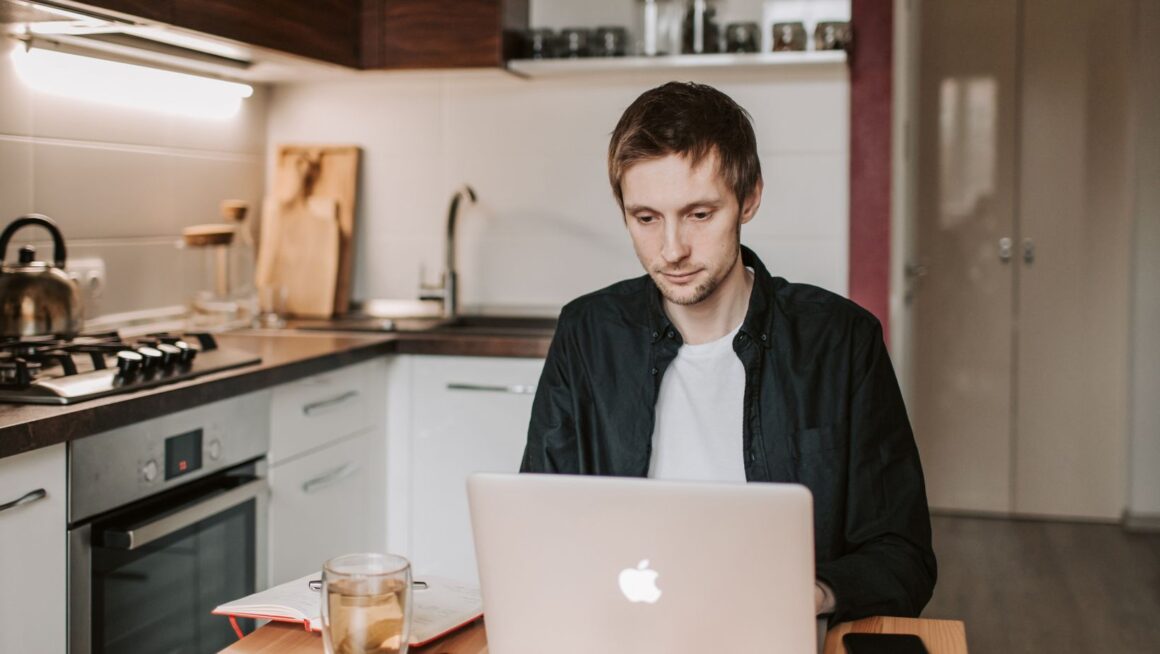
You do not need a separate home office to achieve this. A specific corner of the kitchen table or a small desk in the living room works fine. The key is consistency. When you sit in that chair, you are at work. When you stand up, you are done.
Find Immersive Ways to Decompress
When your workday ends, it is crucial to switch gears completely. Since you cannot physically leave the building, you need a mental exit strategy. Simply closing a spreadsheet and opening social media on the same screen often isn’t enough to reset your mind. Many people find that engaging in high-energy digital entertainment helps bridge the gap between work mode and relaxation.
For those who enjoy a bit of thrill, exploring online gaming platforms can be an effective way to blow off steam. Some users visit sites like the Vulkan Vegas Kasyno to immerse themselves in a different world. This online casino offers a variety of games that demand focus and provide excitement, serving as a distinct break from the monotony of daily tasks. Engaging in this kind of entertainment helps signal to your brain that the professional day is over and personal time has begun.
Stick to a Strict Closing Time
In a traditional office, the lights go out and the doors lock. At home, the laptop is always there, tempting you to check “just one more email.” This lack of a hard stop is a primary driver of burnout. You must become your own strict manager.
Set an alarm for the end of your workday. When it rings, treat it like a fire drill. Save your work, close your applications, and step away.
The Power of a Shut-Down Ritual
To make this easier, develop a closing ritual. This could be as simple as writing down your to-do list for tomorrow, cleaning your coffee mug, or covering your computer with a cloth. These small actions act as a psychological period at the end of the sentence, telling your brain that the workday is officially complete.
Prioritize Human Connection
Isolation is the silent killer of productivity. Without the casual “water cooler” chats, you can go days without a meaningful conversation. This lack of social friction can lead to feelings of loneliness and detachment. You have to be proactive about scheduling social time, just as you schedule meetings.
Simple Ways to Reconnect:
- Virtual Coffee: Schedule a 15-minute call with a colleague with a “no work talk” rule.
- Co-working Spaces: Visit a local library or café once a week to be around other humans.
- Voice Notes: Send audio messages to friends instead of text; hearing a voice is more connecting.
- Lunch Dates: actually leave your house to meet a friend or partner for lunch.
Get Moving to Reset Your Mind
Your commute used to provide a transition time and some physical movement, even if it was just walking to the bus stop. Now, your commute is ten steps down the hall. A sedentary lifestyle contributes significantly to mental fog and low energy.
You don’t need to run a marathon. Incorporating “exercise snacks” throughout the day can work wonders. Stretching for five minutes, doing ten jumping jacks, or taking a walk around the block can reset your nervous system. Movement metabolizes the stress hormones that build up during the day, helping you stay calm and focused.
Toxic Habits vs Healthy Alternatives
It is easy to fall into bad patterns when no one is watching. Here is how to flip the script on common WFH pitfalls.
| Toxic WFH Habit | Healthy Alternative |
| Rolling out of bed 5 minutes before logging on. | Creating a 30-minute morning routine before screens. |
| Eating lunch while typing emails. | Taking a full 30-minute break away from devices. |
| Working from the couch or bed. | Sitting at a desk or table with proper posture. |
| Replying to messages at 9 PM. | Turning off notifications after work hours. |
Take Real Time Off
Finally, remember that working from home does not mean you are always available. There is a misconception that because you are home, you aren’t “really” working as hard, so you don’t deserve a break. This is false. Remote work is often more intense because of the need to constantly prove productivity.
Take your sick days when you are unwell. Take your vacation days to actually leave your house. Disconnecting completely is the only way to recharge your batteries fully. Burnout is not a badge of honor; it is a sign that your system is failing. By implementing these strategies, you can protect your peace and build a sustainable, happy remote career.