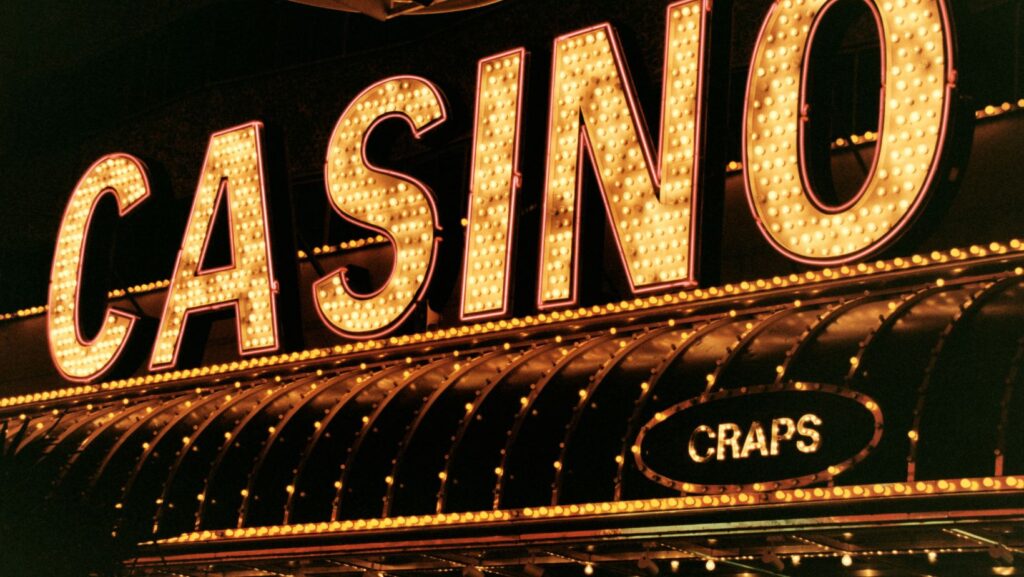
Randomness sits at the heart of many gaming experiences, from digital card battles to sprawling open world adventures. Yet few players stop to think about the system that creates those unpredictable moments. Whether you are exploring loot heavy RPGs, jumping into competitive shooters, or browsing the right online casino options, the mechanics behind randomness play a major role in shaping how thrilling each session feels. At the centre of that system is RNG, a core concept that influences everything from damage output to item drops.
What RNG means
RNG stands for random number generator. It is a programmed system that produces unpredictable results within a defined range. In games, it decides countless outcomes. Will your attack land a critical hit? What item will drop after defeating an enemy? Which path will an AI opponent choose? All of these rely on RNG.
The key point is that good RNG is designed to feel natural. You cannot predict its outcome, and neither can the game’s systems in advance. Developers use algorithms built to simulate fairness while still creating enough variation to keep players interested. Without RNG, many games would feel static, repetitive, and far too easy to master.
How RNG shapes gameplay variety
One of the biggest benefits of RNG is that it adds variety. Even if you play the same mission or level multiple times, you will rarely experience it the exact same way. Loot rolls change, enemies behave differently, and outcomes swing from fortunate to frustrating. This unpredictability is what keeps the experience from going stale.
In RPGs, RNG determines loot rarity and stat rolls, making the hunt for upgrades endlessly engaging. In competitive games, slight randomness in accuracy or damage output forces players to adapt rather than rely on perfect memorisation. Even puzzle-based games sometimes use randomness to keep challenges fresh. It adds a layer of spontaneity that encourages players to stay alert and adjust their strategies.
Balancing luck and skill
A common debate in gaming communities revolves around luck versus skill. RNG is often at the centre of that conversation. The truth is that randomness alone does not make a game exciting. It needs to be balanced with mechanics that reward skillful play. When the balance is right, RNG enhances player engagement rather than undermining it.
For example, a strategy game may use RNG to determine whether an attack hits, but it still requires careful planning, positioning, and resource management to win. A loot-based adventure may rely on chance to decide your next reward, but navigating the world, overcoming tough enemies, and managing your build still demand skill.
Good design ensures that RNG adds tension without making players feel powerless. The fun comes from navigating uncertainty, not being controlled by it.
RNG in modern gaming genres
Almost every genre uses RNG in some form, even when players do not realise it.
Action RPGs:
Most action RPGs heavily rely on random loot tables. Rare items become memorable because they are not guaranteed. RNG motivates exploration, grinding, and replayability.
Shooters:
Some shooters include slight bullet spread or variable damage. This creates dynamic firefights where outcomes feel less scripted and more reactive.
Rougelikes and roguelites:
These games lean into RNG intentionally. Randomised levels, enemy placements, and upgrade paths are the core of the experience. Every run becomes unique, which builds longevity.
Casual and mobile games:
Match three systems, card draws, puzzle layouts, and progression rewards all incorporate RNG in controlled ways to keep players engaged.
Why unpredictability creates excitement
Human psychology plays a significant role in why RNG is so effective. When outcomes are uncertain, it triggers anticipation. That moment before a loot chest opens or before a critical hit lands activates the same reward pathways associated with suspense and surprise.

This does not mean randomness alone is enjoyable. If outcomes always felt unfair, players would become frustrated. But when randomness is balanced, it creates those small spikes of adrenaline that make gaming memorable. A big win, an unexpected drop, or a perfect attack roll feels rewarding precisely because it was not guaranteed.
RNG also helps create player stories. Every gamer has that moment they still talk about years later. The rare item that finally dropped. The clutch critical hit that saved a run. The unlikely event that turned the tide of a match. These stories only exist because RNG enables them.
The future of RNG in gaming
As games become more advanced, developers are exploring smarter ways to use randomness. Some titles now employ adaptive RNG, which adjusts probabilities based on player behaviour to prevent long streaks of bad luck. Others blend procedural generation with handcrafted design to create worlds that feel both unpredictable and intentionally crafted.
What will not change is the role RNG plays in keeping games dynamic. Randomness ensures that no two sessions feel identical, giving players reasons to return again and again.
A core ingredient that keeps games alive
RNG is more than a technical system running quietly in the background. It is a fundamental part of what makes gaming exciting, varied, and endlessly replayable. It introduces uncertainty, fuels memorable moments, and keeps players engaged across countless genres.
Understanding how randomness works helps players appreciate the decisions developers make when crafting experiences that balance tension, fairness, and fun. In the end, that blend of unpredictability and skill is what gives gaming its spark.