The New Stage Where Innovation Quietly Arrives
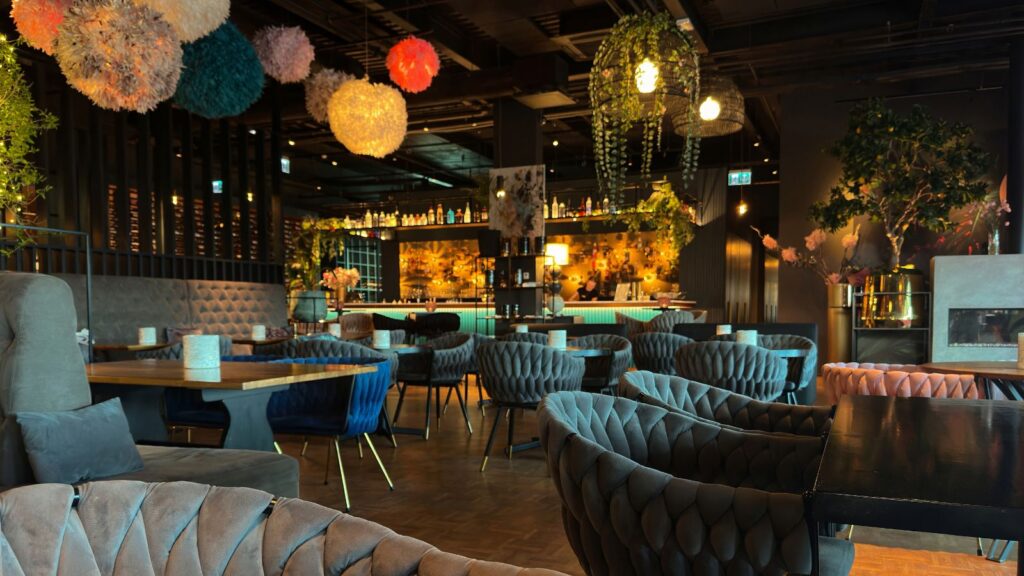
The first hints of technological change used to appear in labs, convention centers, or high-end electronics stores. Today, they surface in places far more familiar. When a guest sits beneath warm pendant lights, listens to the low hum of conversation, and glances across a dining room shaped by rhythm and movement, they may not realize they are stepping into one of the most active testing grounds for consumer technology. Restaurants have become the quiet front line of innovation, a place where new tools meet real human behavior long before the public notices a shift.
This transformation did not happen overnight. It emerged from a cultural moment in which people blend digital habits with everyday routines, and businesses need to understand consumer preferences in real time. Restaurants offer something rare. They gather people from different backgrounds into a shared experience, and the environment allows technology to weave itself into actions that feel natural. A simple payment gesture, a QR menu that responds instantly, or a lighting system that adjusts to crowd levels can teach designers more about user behavior than a controlled experiment.
What makes this evolution even more compelling is how visually immersive restaurant spaces have become. Dining rooms now incorporate softer palettes, textured materials, and curated lighting, creating an atmosphere that feels modern and emotionally grounded. In many of these redesigned interiors, restaurant tables stand out as functional showpieces that support both comfort and efficiency. Their stable surfaces and thoughtfully chosen finishes create inviting zones where people feel at ease interacting with tech, turning every table into a natural gateway for innovations like contactless payments and digital ordering. Technology blends into this aesthetic rather than interrupting it, making it easier for people to accept innovation. Many brands see this emotional openness as the perfect entry point for testing the future.
How Restaurants Became Ideal Real-World Laboratories
Designers and technologists have long sought environments where people act naturally, without the stiffness that research settings can create. Restaurants deliver this balance effortlessly. Guests move, speak, sit, and order with a rhythm that mirrors everyday life, making the space ideal for capturing authentic reactions.
This natural flow creates a powerful testing environment for new consumer tools.
- The density of foot traffic produces large data samples quickly.
- Interactions are short enough to observe patterns, yet meaningful enough to reveal habits.
- The emotional tone of a meal allows people to test new technology without pressure.
Restaurants also operate within real-time constraints. Staff need tools that reduce friction. Guests want clarity, comfort, and ease. When a new concept succeeds in this setting, it hints at how well it will perform in the broader world. This is why companies behind payment systems, reservation tools, lighting controls, and even early-stage robotics increasingly turn to restaurants.
Another advantage lies in the physical environment itself. Chairs, tables, service flow, and lighting determine how people move through the room, and these elements help reveal how consumer tech behaves in dynamic spaces. Even furniture plays an unexpected role. Upholstered dining chairs, used by many modern restaurants to increase comfort and dwell time, create moments of pause that allow guests to interact with digital tools naturally. That moment of stillness becomes a perfect window for observation.
Where Consumer Tech Takes Its First Breath
Restaurants have become an essential proving ground for technologies that later enter homes, offices, and retail spaces. The first wave includes tools we now take for granted. Mobile ordering interfaces, instant-pay systems, and adaptive seating management were all refined in restaurants long before they gained widespread attention.
The next wave reaches much further.
- Intelligent lighting systems that adjust to the time of day
- Acoustic technologies that shape sound energy inside crowded rooms
- Predictive service tools that help staff anticipate needs
- Thermal sensors that measure comfort levels in seating zones
These tools show how the restaurant environment pushes innovation to evolve quickly. A lighting system that responds smoothly to a dinner rush hints at how home lighting may soon behave. Acoustic balancing tools reveal how tomorrow’s living rooms or offices might reduce stress. Predictive service systems teach companies how to blend data with human warmth, a challenge that extends far beyond hospitality.
Restaurants give these technologies a chance to interact with emotion. A couple celebrating an anniversary, a family sharing a noisy meal, or a solo guest winding down after work creates a spectrum of human experiences. Observing how technology fits into these moments helps developers refine sensitivity, pacing, and visual language in ways no traditional test could replicate.
The Growing Influence of Hospitality on Consumer Tech
Hospitality design has always shaped how people understand comfort, but now it shapes how technology feels. Many tech companies study restaurants for cues on how to combine functionality with emotional resonance. The modern dining room offers a lesson in integrating tools without overwhelming the senses. Soft lighting, clean surfaces, muted palettes, and gentle acoustic profiles help create a canvas where innovation becomes invisible yet effective.
This shift has broader commercial implications. Restaurant owners now partner with technology companies because early adoption brings competitive advantages. A smoother check-in process, a faster payment flow, or a richer sensory environment can transform guest satisfaction. Industry reports show an apparent rise in restaurants adopting innovative systems during the past two years, and guest surveys reveal increased appreciation for seamless technology that enhances rather than replaces human interaction.
What emerges is a design language shared by both hospitality leaders and technology innovators. The emphasis is not on spectacle but on subtlety. Consumers respond to tech that feels elegant, intuitive, and emotionally grounded. Restaurants refine these qualities through constant use in real-world settings.
A Soft Horizon for Tomorrow’s Technology
Restaurants are not simply adopting technology. They are shaping it. They provide a living ecosystem where human behavior, sensory design, and digital tools intersect with unusual clarity. Every dining room becomes a quiet rehearsal for the technologies that will soon fill homes, workplaces, and public spaces.
As these environments continue to evolve, the next generation of consumer tech will carry traces of the hospitality world. Tools will feel warmer, more empathetic, and more attuned to how people want to live. The future may arrive through a familiar doorway. A guest sits down, notices the glow of a table lamp, feels the room’s ease, and interacts with technology that feels effortless. In that moment, innovation quietly steps forward, shaped not in a lab but across a dining table.
Closing Reflections on a Connected Future
Restaurants have become unlikely yet powerful incubators of consumer technology. Their blend of atmosphere, movement, and emotion offers a depth of insight that formal testing environments rarely achieve. When new tools succeed in a dining room, they signal a readiness for a broader world that expects comfort, clarity, and human-centered design.
This merging of hospitality and innovation suggests that tomorrow’s technologies will feel softer, more intuitive, and more deeply connected to the rhythms of everyday life. The next era of consumer tech may not begin with a dramatic launch. It may start quietly, inside a restaurant where people gather, connect, and unknowingly shape the future.