
Innovation in the service sector is no longer limited to major tech hubs. Across mid-sized U.S. cities, a wave of small but ambitious startups is reshaping how people book appointments, access local services, and interact with businesses. These changes appear subtle at first, yet they quickly influence customer expectations and provider workflows. When residents search for local offerings, whether for home repairs, personal wellness, transportation, or even browsing something unrelated such as reno escorts while exploring nightlife options, they interact with the same digital environment that tech startups are transforming. This blend of convenience, automation, and mobile-first discovery shows how deeply technology has integrated into urban service ecosystems. Mid-sized cities now stand at the center of a quiet but powerful service-sector evolution.
The Key Trends Driving Service-Sector Transformation
Several trends are propelling this shift, most of them born from the efforts of tech startups that specialize in local business optimization. Instead of relying on traditional advertising or word-of-mouth referrals, customers now rely on data-driven systems to make decisions quickly and confidently. Mid-sized markets, with their adaptable business communities, often adopt these tools earlier and more widely than larger ones.
Major trends include:
• Growing demand for mobile booking and real-time availability
• Automation replacing manual processes in local businesses
• AI-supported personalization for matching services to users
• Transparent pricing and customer review integration
• Hyperlocal platforms connecting residents with nearby providers
Automation That Reduces Manual Work
Local service companies have historically depended on phone calls, paper scheduling, and slow administrative processes. Startups are replacing these with automated booking engines, instant invoicing, smart routing, and integrated calendars. This reduces missed appointments, improves accuracy, and saves significant time for small teams. Automation also allows businesses in mid-sized cities to scale their operations without increasing overhead.
Mobile Platforms Changing Customer Behavior
Consumers now expect to book a service in seconds. Mobile platforms satisfy this expectation by providing available time slots, upfront estimates, and immediate confirmations. In mid-sized cities, where competition is often consistent but less intense than in large metros, providers who adopt mobile platforms quickly gain an advantage. Customers appreciate the ease of use, while businesses benefit from predictable, structured workflows.
Real Examples of How Startups Improve the Local Service Experience
Tech startups bring change to a wide range of industries. From home improvement to wellness, they eliminate bottlenecks and create smoother user journeys. Mid-sized cities are ideal environments for testing and expanding these innovations, as residents are accustomed to familiar local businesses and welcome tools that make daily life easier.
Examples of improved experiences include:
- On-demand home maintenance platforms offering vetted professionals
- Digital tutoring services matching students with qualified instructors
- Wellness and beauty apps providing same-day booking options
- Pet care apps with GPS tracking and instant updates
- Car repair scheduling tools with upfront estimates
- Local event marketplaces that streamline ticketing and communication
Improved Communication and Instant Response Channels
Communication is essential in the service industry, and startups strengthen it through integrated chat features, automatic reminders, and real-time notifications. These tools reduce confusion and ensure customers stay informed about arrival times, service progress, and follow-up steps. For many local companies, this creates a more professional presence and leads to higher customer satisfaction.
Smarter Pricing and Transparent Service Models
Tech startups promote transparency by offering clear pricing models and detailed service descriptions. Customers can compare providers, read reviews, and understand what to expect before making a decision.
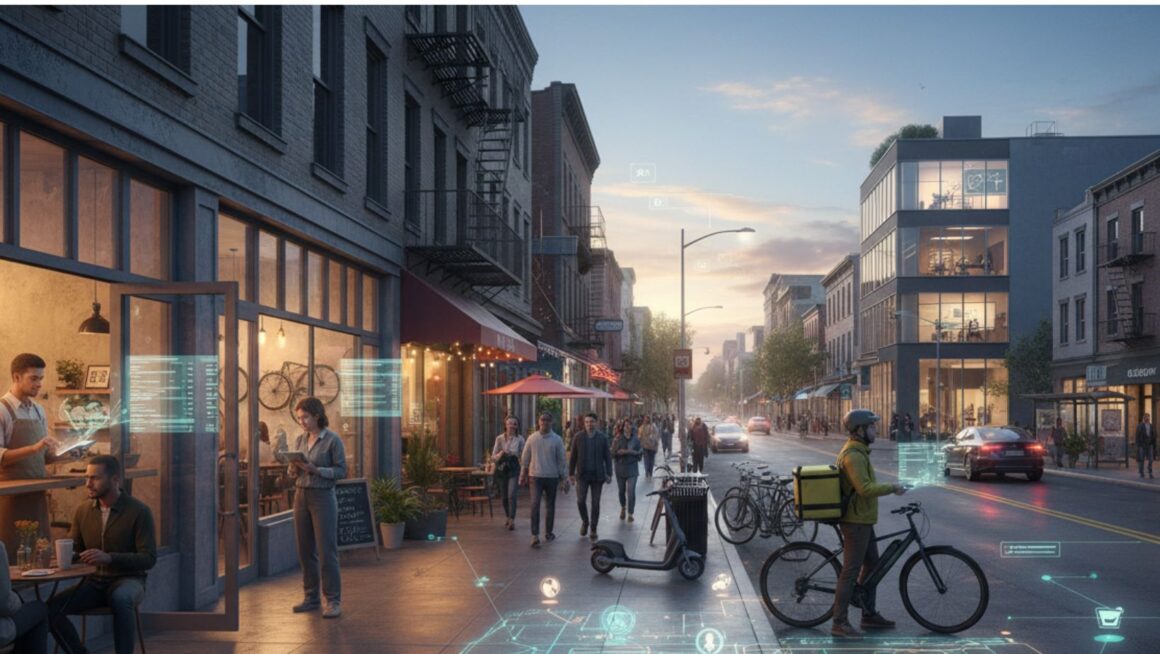
This openness encourages trust and allows local businesses to compete based on value rather than guesswork. Transparent systems also reduce disputes and increase repeat business.
Why Mid-Sized Cities Benefit More Than Larger Markets
Mid-sized cities like Reno, Boise, Tulsa, and Madison benefit significantly from tech disruption. These markets are large enough to support innovation but small enough to implement changes quickly. Businesses collaborate more easily, and customer loyalty contributes to faster adoption of digital tools.
Key advantages for mid-sized cities include:
• Less market saturation and fewer barriers to entry
• More flexible service providers willing to test new tools
• Stronger community networks that amplify word-of-mouth adoption
• Lower operating costs for startups expanding into regional hubs
Collaborative Local Ecosystems Accelerating Adoption
Local governments, community organizations, and small businesses often work closely in mid-sized cities. This collaborative environment helps startups pilot new features and gather feedback directly from users. Partnerships with local chambers of commerce or regional accelerators allow innovations to roll out city-wide faster than in larger, more fragmented markets. The result is a supportive ecosystem that nurtures long-term growth.
The Future of Tech-Enhanced Service Delivery in Regional U.S. Market
As technology evolves, the service industry will continue transforming. Predictive tools, personalized recommendations, and hyperlocal marketplaces will become standard features of everyday life. Mid-sized cities are well positioned to lead this next wave of service modernization. Residents are increasingly comfortable relying on apps for tasks that were once time-consuming or unpredictable.
Personalization and AI-Driven Service Matching
AI will soon play a larger role in connecting customers with ideal service providers. It can analyze user preferences, availability windows, and purchase history to deliver highly personalized suggestions. This raises service quality, saves time, and creates a more intuitive customer journey. For local businesses, AI supports better resource allocation and improved customer satisfaction.
Conclusion: Quiet Innovations Reshaping Everyday Services
Tech startups are reshaping how mid-sized U.S. cities function day to day. Their innovations may appear subtle at first, yet they bring measurable improvements to convenience, efficiency, and transparency. For customers, this means faster access to trusted providers. For businesses, it means fewer administrative burdens and a more professional digital presence. As tools evolve, mid-sized cities will remain central to the future of tech-supported service delivery, benefiting from a mix of scalability, flexibility, and community-driven adoption.