
Esports is developing so rapidly that it is gradually becoming one of the most technologically advanced and visible segments of the digital economy. Viewers shift from traditional sports to Twitch and YouTube, teams evolve into full scale brands, and games become platforms for implementing new technologies. To me, this looks like a natural process: modern audiences live online, and esports fits seamlessly into that environment. It brings together entertainment, analytics, technology, and community, forming its own ecosystem. And it is this multi layered structure that makes the industry so influential.
Technologies That Shape the Future of Esports
The growth of esports is tightly connected to technological progress. Games are becoming more complex, graphics more realistic, and infrastructure more stable. Titles like Valorant, Apex Legends, and League of Legends actively rely on anti cheat systems, optimized netcode, and engine updates. These improvements create a reliable environment for tournaments and make the professional scene more predictable and safer for players.
Another important aspect lies in analytics and tools that help track in game changes and maintain a high competitive standard. Community discussions often include predictions, patch analysis, and references to valorant news, allowing both players and teams to follow meta shifts and technical updates. These materials become part of systematic preparation and help teams adapt to new patches faster than ever before.
Technological advancement also shows itself in broadcasts. Multi monitor studios, virtual stages, AR graphics, and instant replays make esports look like a high budget show. Viewers gain deeper immersion, while brands receive new tools for integration. Games like Dota 2 and Fortnite feature dedicated spectator modes that assist analysts and improve the overall presentation quality. Thanks to these innovations, esports is becoming one of the most technologically driven industries of the digital era.
The Data Industry: Analytics as a Separate Layer of Esports
Esports evolves not only through the games themselves but also through the enormous amount of data generated during every match. Shooting accuracy, round economy, player reaction time, grenade efficiency, positioning – all of this turns into metrics that help explain why teams win or lose. This system is especially visible in Counter-Strike 2, where details such as timing or micro mistakes can completely shift the outcome of a map. Community discussions often turn into deep statistical breakdowns that resemble professional analytical debates found in traditional sports.
In many conversations among fans and experts, there is a strong interest in reliable data sources: comparing player form, analyzing recent matches, checking balance updates, and building predictions. This is where analytical platforms and references to cs2 news frequently appear, allowing people to track meta changes, weapon adjustments, and engine updates. Such information becomes part of daily preparation for analysts and coaching staff because it gives a clear understanding of how the in game ecosystem evolves and which strategies gain relevance.
Teams use analytics almost as actively as football clubs monitor player statistics. Data specialists evaluate training efficiency, model match scenarios, examine team synergy, and choose optimal maps for specific opponents. I believe this technological layer is what makes esports feel particularly modern: it merges gameplay experience with digital tools, turning competition into a discipline where success depends not only on talent but also on the quality of analysis. This approach raises the bar of professionalism and strengthens the strategic depth of the entire industry.
Esports as a Business Platform
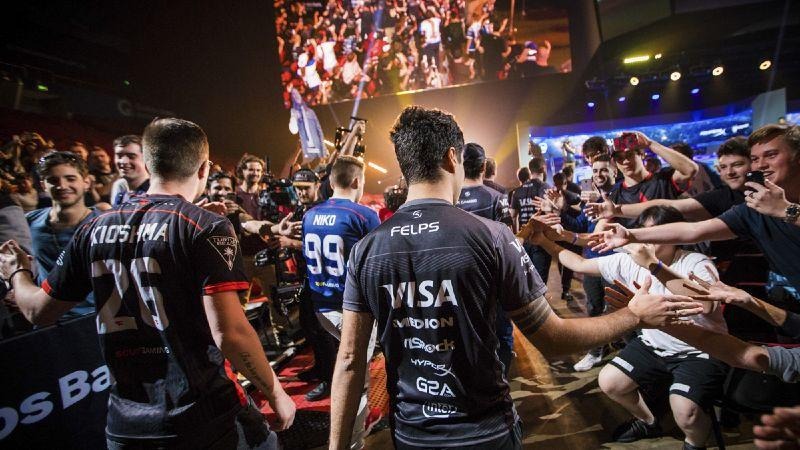
Esports today has evolved into a stable commercial ecosystem rather than just a collection of tournaments. Companies invest in teams, studios build franchise leagues, and game titles themselves attract massive audiences. Championships in League of Legends, Dota 2, Valorant, and CS2 draw viewership comparable to traditional sports events, allowing organizations to operate on the level of major brands. Teams develop unique identities, release merchandise, launch media projects, and maintain long-term relationships with their fans.
Technology amplifies the scale of the industry and makes it accessible to a global audience. Online platforms allow viewers to watch matches from anywhere in the world, take part in interactive broadcasts, and follow schedules, transfers, and statistics. Because of this, fan engagement continues to grow: people feel connected even from a distance. Tools such as in-game notifications, launcher integrations, and recommendation systems turn tournaments into a natural part of a player’s everyday information flow.
Additional interaction formats strengthen the commercial side of esports. Virtual VIP zones, in-game events, themed collaborations (such as Fortnite x Star Wars or Valorant x Arcane), and exclusive skins create new revenue streams for publishers and teams. These mechanics attract not only players but also brands that see esports as a flexible platform for marketing. As a result, the industry becomes more than a competitive arena: it turns into a full-fledged media environment where content, business, and technology develop together.
Players and Communities as the Driving Force

Esports is built on people – the professionals who set the skill standards and the audiences who create demand. Players like TenZ in Valorant, s1mple in CS, and Faker in League of Legends have become symbols of their games and reference points for new generations. Their careers show how intense the competition is and how much relies on preparation, discipline, and public presence. Communities around them generate constant discussions, memes, reactions, and analysis that keep interest alive even between major events.
Viewers and fans also shape the scene by influencing the meta and the popularity of different disciplines. Patch debates, strategy breakdowns, update reactions, and tournament analysis all form a shared information space. Platforms such as Reddit, Discord, and Twitter turn into places where community opinions take shape and where games become part of everyday conversation. This creates a sense that esports exists not only on stage but in an ongoing dialogue within the community.
Technology strengthens this connection even more. Training tools, analytical programs, reaction tracking, and professional practice platforms help players improve systematically. Anyone can study demos, analyze strategies, and replicate methods used by pros. This makes esports more than entertainment – it becomes a space where everyone can find a role: playing, analyzing, creating content, or simply following the scene’s evolution.
Conclusion
To me, esports is a clear example of how technology can shape an entirely new industry, combining games, analytics, business, and media into one cohesive ecosystem. Modern tournaments rely on advanced technological solutions and work with a global audience, becoming standalone media products. When you look at the growth of viewership, the increasing number of events, and the development of technical tools, it becomes evident that the influence of esports will only continue to grow. It keeps expanding the boundaries of interactive entertainment and is gradually establishing itself as an important part of digital culture and the modern economy.