Sustainability is no longer just a trend in hospitality—it’s a responsibility. Hotels, resorts, and restaurants face growing pressure from guests, regulators, and stakeholders to reduce environmental impact while maintaining exceptional service. Hospitality management software (HMS) is emerging as a key tool to help businesses operate more sustainably by optimizing resources, reducing waste, and tracking eco-friendly practices.
How Technology Helps Hospitality Businesses Reduce Waste and Protect the Planet
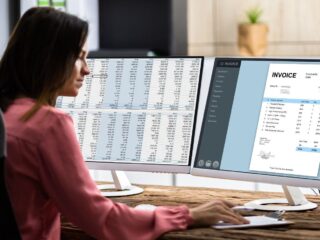
At its core, hospitality management software is an integrated platform that centralizes operations such as reservations, housekeeping, inventory, point-of-sale, and staff management. Beyond improving efficiency and organization, modern HMS platforms provide actionable insights that help businesses make environmentally conscious decisions without compromising guest experience.
One major benefit of HMS is resource optimization. For example, automated inventory tracking helps restaurants and kitchens reduce food waste by monitoring stock levels in real-time and predicting demand more accurately. Hotels can optimize energy and water usage by coordinating housekeeping schedules, managing laundry loads, or monitoring HVAC systems. This level of control not only reduces waste but also lowers operating costs, making sustainability financially smart as well as environmentally responsible.
Artificial intelligence (AI) adds another layer of efficiency and eco-friendliness. AI can analyze patterns in energy consumption, predict high-demand periods, and suggest actionable adjustments. For example, AI could recommend reducing heating or cooling in unoccupied rooms, adjusting lighting in common areas, or streamlining laundry cycles to conserve water and electricity. AI-driven insights make it possible to implement sustainability initiatives at scale, without adding manual workload for staff.
Sustainability isn’t limited to energy and food—HMS can also support broader environmental initiatives. By digitizing records, reducing paper-based processes, and automating reporting, hotels and restaurants can significantly cut down on paper waste. Additionally, tracking guest preferences and behavior enables businesses to promote eco-friendly options such as digital receipts, refillable amenities, or green packages, helping guests make choices that align with sustainability goals.
Moreover, guests increasingly value businesses that prioritize the environment. By integrating eco-conscious practices into operations through HMS, hospitality businesses can attract environmentally minded travelers, strengthen brand reputation, and foster loyalty. A hotel that can demonstrate measurable reductions in energy usage or food waste sends a powerful message that resonates with guests who care about sustainability. And it’s also a great benefit that consumers look for these days when visiting hospitality establishments. And when you get those reviews – you’ll see the difference.

Ultimately, hospitality management software is more than a tool for operational efficiency—it’s a strategic solution for sustainable growth. By optimizing resources, integrating AI-driven insights, and enabling eco-friendly practices, HMS allows businesses to reduce their environmental footprint while maintaining exceptional service.
Whether managing a boutique hotel, a large resort, or a busy restaurant, investing in modern hospitality management software can deliver both environmental and operational benefits. The result is a smarter, greener business that saves resources, reduces waste, delights guests, and positions itself as a forward-thinking leader in the hospitality industry.