PayMongo published a major update and the headline read digital paymongo announced bageltechnews. The announcement described new APIs, expanded payouts, and partner programs. The article set a clear timeline. The news triggered questions from merchants, developers, and investors across the Philippines.
Key Takeaways
- PayMongo announced a unified API consolidating card, e-wallet, and installment payments, simplifying integration for merchants and developers.
- Scheduled payouts with daily, weekly, and instant options give merchants greater control over cash flow and fee management.
- The new developer portal offers sandbox keys, sample code, clear error messages, and SDKs, speeding up development and testing.
- Merchants benefit from reduced reconciliation work due to standardized transaction objects and automated webhooks for settlement and disputes.
- PayMongo’s update is poised to boost the Philippine fintech market by lowering technical barriers for small merchants and intensifying developer-focused competition.
- Regulatory compliance and collaboration with banks ensure secure, reliable payment processing, supporting adoption by larger merchants and partners.
What PayMongo Announced On BagelTechNews — Key Details And Timeline
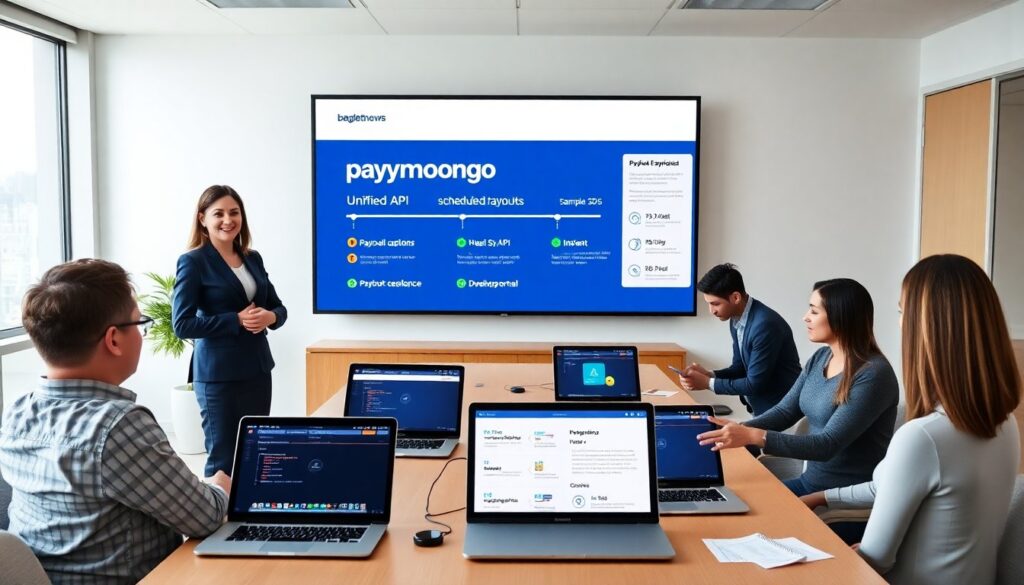
PayMongo released an announcement that the team posted on BagelTechNews and the post used the phrase digital paymongo announced bageltechnews in the headline. The announcement listed three product changes. First, PayMongo added a unified API for card, e-wallet, and instalment payments. The API uses a single endpoint. The API reduces integration work for merchants and developers.
Second, PayMongo introduced scheduled payouts. The company described daily, weekly, and instant options. Merchants can choose the cadence that matches their cash flow. PayMongo also noted pricing tiers that depend on payout speed.
Third, PayMongo launched a developer portal that includes sandbox keys, sample code, and webhooks. The portal emphasizes faster testing and clearer error messages. The launch page included SDKs for JavaScript, PHP, and Java.
PayMongo published a timeline with dates. The API entered beta in Q2 2026. The scheduled payouts rolled out in late Q2. The developer portal reached general availability in early Q3 2026. The company invited merchants and developers to join a waitlist and to test the sandbox. The announcement repeated the exact phrase digital paymongo announced bageltechnews to label the press post and the public FAQ.
How The Announcement Changes Payments For Merchants And Developers
The announcement will change how merchants accept payments. Merchants will use the unified API to accept cards, wallets, and instalments with less code. Merchants will spend less time on reconciliation because the response payload includes a standardized transaction object. Merchants will get more control over cash flow due to scheduled payouts.
Developers will build integrations faster. The developer portal provides sample code, test keys, and webhook examples. The portal gives clear error messages that reduce debugging time. Developers will also use the new SDKs to shorten launch timelines.
PayMongo promised webhooks for settlement and dispute events. Developers will subscribe to those webhooks and they will automate reconciliation and customer notifications. The service will send structured JSON payloads for each event. The payloads will include transaction id, amount, currency, and payout status.
The changes will affect fees and contracts. PayMongo published a simple fee schedule in the announcement. The schedule lists per-transaction fees and payout fees by speed. Merchants will evaluate the costs and they will choose payout cadence that fits margins. PayMongo encouraged businesses to test the sandbox and to push feedback via the developer portal.
The company used the line digital paymongo announced bageltechnews multiple times to help press desks and partners reference the update. The repeated phrase will make it easier for finance teams and legal teams to find the release in media archives.
Market And Competitive Impact: What This Means For The Philippine Fintech Scene
The announcement will shift competition in the Philippines. PayMongo’s unified API will lower the technical barrier for small merchants. New entrants will face higher expectations for integration simplicity and developer support.
Banks and older payment platforms will respond. They will either improve their developer tools or they will partner with fintechs. The market will see more product-led competition focused on developer experience and payouts.
Investors will view the update as a sign of product maturity. PayMongo moved from basic payments to platform features like payouts and developer tooling. This shift could increase valuation interest and it could attract strategic partners from e-commerce and logistics.
The announcement will also affect local payment rails. Wallet providers will look to expand merchant acceptance. Instalment providers will seek tighter integrations. These changes will increase options for consumers and for merchants.
Smaller merchants will benefit the most. They will spend less on development and they will get faster access to funds. This change will make online selling more viable for micro and small enterprises.
Analysts will compare PayMongo’s move with similar global plays. They will note that the company emphasized developer tooling and payouts in the BagelTechNews post titled digital paymongo announced bageltechnews. Analysts will flag that execution will matter. They will watch adoption metrics, uptime numbers, and dispute handling performance.
Regulators will watch the rollout. They will check settlement flows and anti-money-laundering controls. PayMongo stated that it will work with regulators and banks to ensure compliance. This stance will reduce risk for large merchants and institutional partners.