
Considering the state of the world right now and how technologically advanced it is, it is no surprise that more and more casinos are starting to implement AI across their operations. One of the places where casinos started using AI more and more is in the KYC (Know Your Customer) verification process.
But even there, the operators have yet to fully automate the workflow, which would not only save time but expenses as well. Also, the verification would be more accurate with artificial intelligence, as the human is prone to errors.
This article will present, in the following sections, how AI helps casinos achieve more precise and faster KYC verification, what tech is behind this process, what has changed in the last couple of years, and what risks still remain.
AI-powered fraud detection
Artificial intelligence is transforming the entire verification process, making it more reliable and faster. The AI-powered fraud detection system manages to analyze an entire database in real time by using machine learning and natural language algorithms. The algorithm learns continuously from new behaviors to be able to spot abnormalities, unauthorized activity and flag it in advance.
Some of its benefits include:
- automatic updates: the AI models update every time they encounter new strategies the attackers use, identity thefts, deepfakes and others;
- scalability: such algorithms have the power to analyze more than any person could, leaving people room for other, more intricate tasks;
- IDP (Intelligent Document Processing): the AI doesn’t just read the document; it searches for connections and the underlying logic. It cross-references and checks for digital forgery.
So, if a gambler wants to redeem some card registration free spins, they need to create an account at the casino and go through the KYC process to be able to withdraw the winnings. They will provide personal documents through which the AI will assess the person’s identity and their risk profile before involving money.
Biometric KYC
A new feature of the KYC process is the biometric check, either facial recognition or fingerprint scan. For example, facial recognition compares the player’s selfie with the photo in the provided document to determine whether the person is the same or a deepfake has been used.
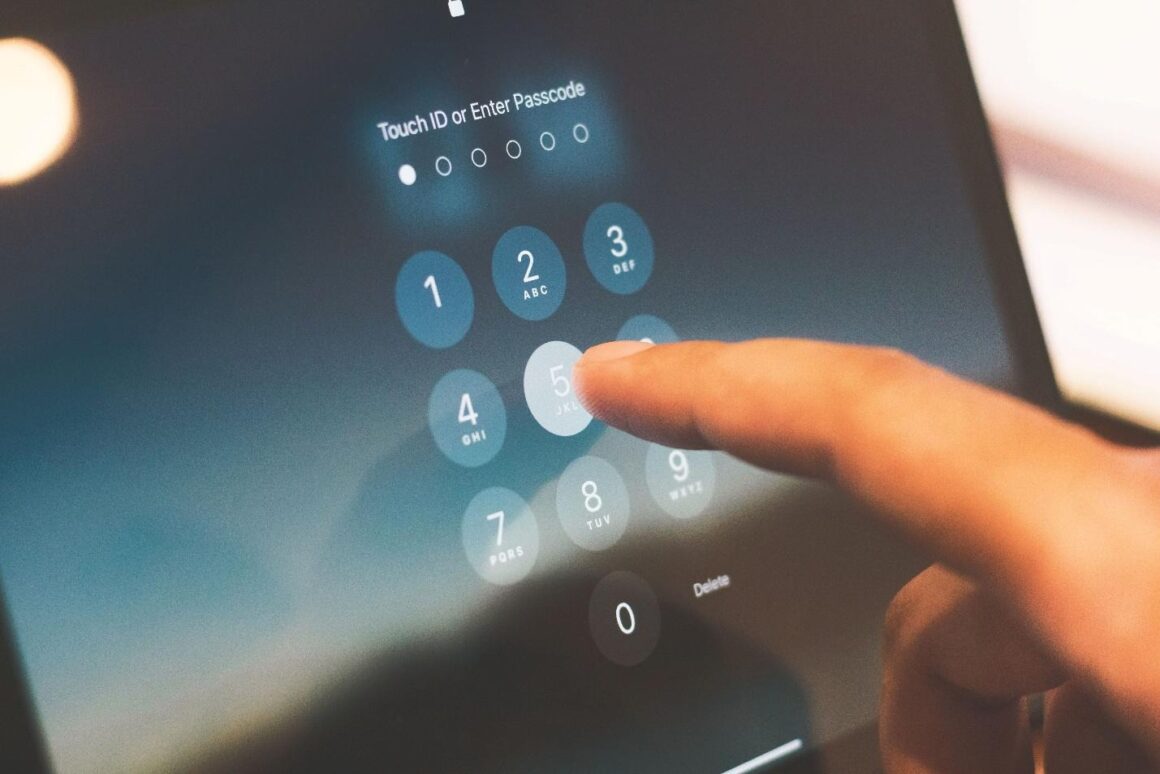
The biometric verification is one of the pillars of SCA (Strong Customer Authentication), a requirement for customers to use at least two independent factors during online transactions for identity verification. It’s also a regulatory requirement under PSD2 (Revised Payment Services Directive), an EU law aimed at increasing security and reducing fraud in electronic payments.
What is tokenization
Tokenization is another method casinos use to make card registration bonuses safer. It represents the process by which sensitive data, such as a credit card number, is replaced with a random string of characters called a token. This way, the real data is safe in a secure vault and is swapped with the token.
When there is a breach in the database of the casino, the hackers will steal the tokens, which are not useful for them, because they can’t decipher them.
What does 3DS2 stand for
Just as casinos have to comply with PCI DSS (Payment Card Industry Data Security Standard), because they are businesses that store, process, and transmit credit or debit card data to prevent data breaches and financial fraud, they also need to comply with 3DS2.
3DS2 is a security protocol known as (3D Secure 2.0) that protects players against fraud and requires two-factor authentication. There are two ways in which this can work behind the scenes:
- The bank checks your device ID, spending habits, address, and other factors, and if it determines that nothing is suspicious, it flags the transaction as safe without requiring input from the person.
- If the bank considers something questionable, the person must use either a biometric scan or a one-time passcode.
What changed in the last 2-3 years
As mentioned at the beginning, more and more casinos are implementing AI and machine learning in their KYC processes. This means that the procedure takes far less time, and the AI can continuously check and monitor accounts for dubious activities, specific patterns in betting, sharing of the account or other situations that can represent a threat.

Moreover, AI can compare photos of the players with the documents in no time, can detect the use of deepfakes, forged documents, and fake IDs, and keep track of users, giving them risk scores based on transactions, behavior, device information and even geography.
Fewer card details are now vulnerable thanks to the tokenization, the PCI DSS requirements and the SCA. Also, the digital wallets prevent merchants from seeing the full card details, most systems displaying only the last 4 digits of the card.
At the same time, there will still be some risks that AI can’t stop yet, but with time, they may become less of an issue. For example, attackers still find the data players provide during registration valuable.
There are still false positives and false negatives, meaning regular customers are flagged as threats, and hackers manage to enter the casino’s system. AI-generated pictures, videos and voice are becoming more common, and identity theft is still a thing.
Final thoughts
All in all, KYC tech is really making a difference for both customers and operators. The automation process does help a lot in making card registration bonuses safer, but the battle is not over yet, as everyone still needs to be cautious with their data.
The best thing gamblers can do is limit the number of casinos they play at and create accounts only with licensed onshore casinos, preferably.